
Best Time to Visit Borneo: A Month-by-Month Guide from the Ground Copy
Best Time to Visit Borneo: A Month-by-Month Guide from the Ground
Borneo is the third largest island on Earth and one of the most biodiverse places on the planet. It sits just north of the equator, which means it is warm and humid year-round, with no true winter and no true summer in the way most travellers understand those seasons. What Borneo has instead are wet months and dry months, and the difference between them matters enormously depending on what you are planning to do.
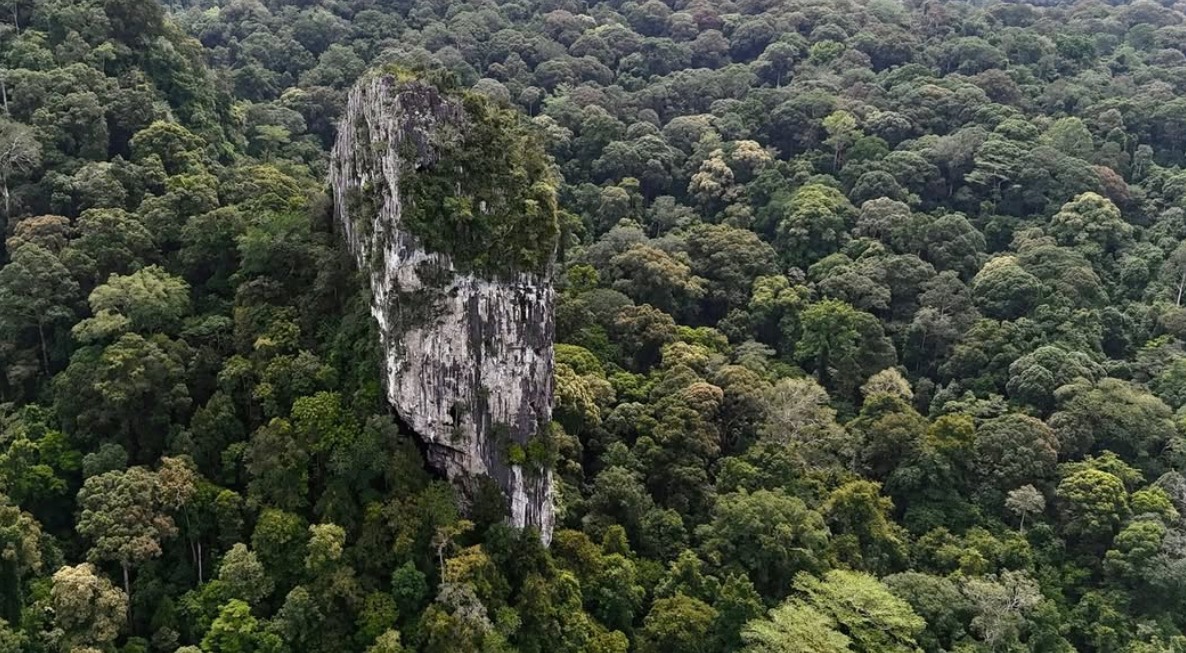
This guide breaks down every month of the year, explains what the weather actually does on the ground, and tells you which activities and destinations are best suited to each season. It is written from direct experience in Sabah, Malaysian Borneo, where the Orou Sapulot region, Batu Punggul, and the deep interior of southwestern Sabah form some of the most extraordinary landscapes in Southeast Asia.
The Short Answer
The best time to visit Borneo for most travellers is between March and October, which covers the dry season across the majority of the island. This period offers the most reliable weather, the best trekking and outdoor conditions, and the easiest access to remote destinations.
If you are specifically visiting Sabah for jungle trekking, caving, river adventures, or cultural experiences in the interior, April through September is the sweet spot within that window.
That said, Borneo can be visited at any time of year. The wet season has its own rewards, and for certain activities such as wildlife watching on the Kinabatangan River, it can actually be the better choice.
Understanding Borneo's Climate
Borneo's climate is tropical rainforest: hot, humid, and wet, with temperatures typically ranging from 23°C at night to 33°C during the day at lower elevations. Higher altitude areas like the slopes of Mount Kinabalu are significantly cooler.
Rainfall is the key variable. Borneo does not have a single unified wet season across the whole island. Different regions experience peak rainfall at different times, and the transition between wet and dry is gradual rather than a sudden switch.
Sabah (northern Borneo) generally follows this broad pattern:
- Dry season: March to October
- Wet season: November to February
The southwest monsoon brings drier conditions to Sabah from around March, while the northeast monsoon from November brings heavier rainfall, particularly on the east and interior regions.
Rainfall in Borneo is rarely a full-day event. More commonly, the pattern is bright mornings with cloud building in the afternoon and rain in the late afternoon or evening. Even during the wet season, most mornings are clear enough for outdoor activities.
Month-by-Month Breakdown
January
January sits in the heart of the northeast monsoon. Rainfall is higher than average across most of Sabah, particularly in the interior and eastern regions. River levels in the Sapulot area are typically elevated, which can affect longboat operations and access to some remote areas.
That said, January is one of the quietest months for tourism in Sabah. Prices are lower, destinations are emptier, and the forest has a particularly vivid quality after months of rain. For travellers who do not mind the possibility of wet afternoons and are flexible with their schedule, January offers good value.
Best for: Budget travellers, those who prefer solitude, photographers who appreciate the atmospheric quality of the wet season forest.
Avoid if: You are set on guaranteed access to all areas of the Sapulot interior or are climbing Batu Punggul, where wet rock requires extra caution.
February
February is similar to January across most of Sabah, with the northeast monsoon still active. Rainfall begins to ease slightly toward the end of the month as the seasonal transition approaches, making late February a reasonable time to visit for those who want shoulder season conditions with improving weather.
Wildlife activity on the Kinabatangan River is often excellent in February. Flooding pushes animals to higher ground and concentrates them along the riverbanks, making boat-based wildlife spotting particularly productive.
Best for: Wildlife watching on the Kinabatangan, budget travel, shoulder season visitors.
Avoid if: You need reliable access to remote interior locations or want the driest possible conditions for trekking.
March
March marks the beginning of the transition to the dry season across Sabah. Rainfall decreases noticeably through the month, rivers begin to drop to more manageable levels, and trekking conditions improve significantly. By late March, most of Sabah is in reliably good weather.
March is an excellent time to visit Sabah. It is early enough in the dry season that visitor numbers have not yet peaked, and the forest is lush and green from the wet season rains. River levels in the Sapulot area are dropping toward ideal conditions for longboat travel and waterfall swimming.
Best for: Jungle trekking, river adventures, Batu Punggul, Orou Sapulot tours, Kinabalu summit attempts.
Avoid if: You are visiting in early March and the northeast monsoon has been particularly strong that year. Always check conditions with your tour operator.
April
April is one of the best months to visit Borneo. The dry season is firmly established, weather is consistently good, and the landscape is at its most vivid: the forest green and full from the wet season, the rivers at ideal levels, the sky clear enough for long views from summit points like Batu Punggul.
For visitors planning the Orou Sapulot experience, April is ideal. The 45-minute jungle trek to the base of Batu Punggul is at its best on dry trails, the rock face dries quickly after morning dew, and the Sapulot River is at excellent levels for longboat travel through the rapids.
Waterfalls including Vangkaakon and Kabulongou are flowing strongly from the wet season rains but are safe to swim in. The Pungiton Cave is accessible and at its most spectacular.
Best for: Everything. April is as close to perfect as Borneo gets.
Avoid if: You are on a very tight budget. April falls within the peak season window and prices reflect that.
May
May continues the excellent conditions of April. The dry season is fully established and reliable. This is peak season for Mount Kinabalu summit attempts, so book permits well in advance if this is on your itinerary. Kinabalu Park closes the summit trail during heavy rain for safety reasons, and May conditions make closures rare.
In the Orou Sapulot interior, May is among the best months of the year. River levels are ideal, trails are dry and grippy, and the jungle wildlife is active. Early mornings on the Sapulot River are particularly good for birdwatching, with hornbills, kingfishers, and egrets common sightings from the longboat.
Best for: All outdoor activities across Sabah, Kinabalu summit, Orou Sapulot tours, birdwatching.
June
June is peak season in Sabah. School holiday periods in the UK, Australia, and Singapore drive visitor numbers up significantly. This is the most popular month to visit, and for good reason: the weather is excellent, days are long, and virtually every outdoor activity is at its best.
Book well in advance for June travel. Tour packages through Orou Sapulot, permits for Mount Kinabalu, and accommodation in Sukau on the Kinabatangan River all fill up quickly for this month.
The Sabah Fest cultural festival is typically held in May and June, showcasing the traditional music, dance, food, and crafts of Sabah's indigenous ethnic groups including the Murut. For travellers interested in Murut culture, this is worth factoring into your timing.
Best for: All activities. Peak season conditions at their finest.
Plan ahead: Book everything at least 6 to 8 weeks in advance, longer for larger groups.
July
July is another excellent month, essentially matching June in terms of weather and conditions. Visitor numbers remain high, though bookings made a few weeks in advance can usually still find availability for most activities.
In the Sapulot area, July is one of the most reliable months of the year for river conditions. The longboat journey from Salung Jetty through the river rapids is at its most exhilarating, with water levels providing excellent rapid action without the elevated and potentially dangerous levels of the peak wet season.
Best for: All outdoor activities, river adventures, Batu Punggul.
August
August mirrors July across most of Sabah. Conditions remain excellent and visitor numbers begin to ease slightly toward the end of the month as school holiday periods in major source markets come to a close.
Late August can be an ideal window for visitors who want dry season conditions with slightly fewer fellow travellers. Bookings are easier to secure, and destinations feel a little less crowded.
Best for: Dry season conditions with fewer crowds than June and July.
September
September is among the best months to visit Borneo for travellers who prefer to avoid peak season entirely. The dry season continues, conditions for all outdoor activities remain excellent, and visitor numbers are noticeably lower than the June to August peak.
For the Orou Sapulot experience specifically, September is outstanding. The jungle is at its driest, making the trek to Batu Punggul comfortable and the rock face reliably grippy. River levels remain ideal for longboat travel. The cultural programme at Romol Eco-Village runs year-round and September often sees smaller groups, meaning a more intimate experience of the Lansaran dance, gong music, and Tapai tasting.
Best for: Dry season conditions with shoulder season crowds and prices. One of the best months overall.
October
October marks the transition into the wet season. The first half of the month typically continues the dry season pattern, with reliable weather and good outdoor conditions. Toward the second half, rainfall begins to increase and the northeast monsoon starts to make itself felt.
October is a good time to visit Sabah if you are flexible with timing and happy to work around occasional wet afternoons. Early October in particular offers good conditions at prices beginning to soften from peak season levels.
Best for: Budget-conscious travellers wanting dry season conditions, flexible itineraries.
Check conditions: If visiting in late October, confirm river levels and access routes with your tour operator before finalising plans.
November
November is the start of the wet season proper. Rainfall increases significantly across Sabah, particularly in the interior and eastern regions. River levels rise, some trails become slippery, and access to certain remote areas becomes weather-dependent.
That said, November is not a write-off. Mornings are often clear and outdoor activities can proceed without issue on most days. The forest takes on a particular richness during the wet season, and waterfall flows are at their most dramatic. Pungiton Cave is accessible year-round regardless of weather.
Wildlife on the Kinabatangan River improves as water levels rise. This is one of the better months for proboscis monkey and pygmy elephant sightings.
Best for: Wildlife watching, waterfall photography, budget travel.
Avoid if: You have a fixed, non-flexible itinerary heavily dependent on river access in the Sapulot interior.
December
December is the heart of the wet season in Sabah. Rainfall is frequent and river levels are at their highest. Some areas of the deep interior, including parts of the Sapulot river system, may have restricted access during particularly wet periods.
December is also, however, the festive holiday season, and Sabah receives visitors looking for a warm escape from winter in the northern hemisphere. Kota Kinabalu is lively and enjoyable, coastal activities remain largely unaffected by the northeast monsoon, and the Tunku Abdul Rahman Marine Park islands are a pleasant option for beach days between rain showers.
For adventurous travellers who are specifically interested in the wet season forest experience and are happy to be flexible, December in the Orou Sapulot area has a dramatic beauty that the dry season cannot match. Discuss conditions and logistics carefully with your tour operator before booking.
Best for: Coastal activities, Kota Kinabalu exploration, adventurous travellers who embrace wet season conditions.
Avoid if: You want guaranteed access to all interior destinations or are not comfortable with schedule flexibility.
Best Time to Visit Borneo by Activity
Jungle Trekking and Climbing Batu Punggul
Best months: April to SeptemberDry trails, grippy rock surfaces, and reliable weather make this the ideal window for the trek to Batu Punggul and jungle walks throughout the Orou Sapulot area.
River Adventures and Longboat Travel
Best months: March to OctoberRiver levels in the Sapulot system are most reliable during the dry season. The rapids are at their most exhilarating from April through August, when water levels provide excellent current without the flooding risk of peak wet season.
Caving at Pungiton Cave
Best months: Year-roundPungiton Cave is accessible in all seasons, though the approach trail is easier and less slippery during the dry season. The cave itself is extraordinary at any time of year.
Murut Cultural Experiences at Romol Eco-Village
Best months: Year-roundThe Lansaran dance, gong music performances, Tapai tasting, and traditional meals at the Romol Eco-Village longhouse run throughout the year. The cultural experience does not depend on weather.
Wildlife Watching on the Kinabatangan River
Best months: October to FebruaryCounter-intuitively, the wet season and its immediate aftermath produce the best wildlife concentrations on the Kinabatangan. Flooding pushes proboscis monkeys, pygmy elephants, and orangutans to higher riverbank ground where they are easily visible from boats.
Mount Kinabalu Summit
Best months: March to SeptemberThe summit trail is most reliable during the dry season. The mountain creates its own weather at altitude, but dry season conditions significantly reduce the risk of the summit being obscured by cloud at sunrise.
Diving and Marine Activities
Best months: April to AugustSabah's dive sites, including Sipadan, are best between April and August when visibility is highest and seas are calmest.
Frequently Asked Questions
What is the best month to visit Borneo?April and September are the two standout months. April offers peak dry season conditions with post-wet season greenery. September offers the same quality of weather with noticeably fewer fellow travellers and slightly lower prices.
Is Borneo good to visit in December?December is the wet season in Sabah and brings frequent rainfall. Coastal activities and city exploration in Kota Kinabalu are largely unaffected. Interior and remote destinations like the Orou Sapulot area can have restricted access during particularly wet periods. It is manageable for flexible travellers but not ideal for those with fixed schedules.
Can you visit Borneo in the rainy season?Yes, and many travellers specifically choose to. The wet season forest has a dramatic quality the dry season cannot match, waterfall flows are at their most spectacular, wildlife on the Kinabatangan River is often better, and prices and crowds are lower. The key is flexibility: some days and some areas will be affected by weather, and itineraries need to be able to adapt.
How hot is Borneo?Lowland Borneo sits around 27-33°C during the day year-round, with high humidity. Higher altitude areas are significantly cooler. The summit of Mount Kinabalu at 4,095 metres can drop to near freezing at night.
Does it rain every day in Borneo?During the wet season, rain is frequent but rarely falls all day. The typical pattern is clear mornings, cloud building through the afternoon, and rain in the late afternoon or evening. During the dry season, rain is less frequent but Borneo is a rainforest and occasional showers occur at any time of year.
When is the cheapest time to visit Borneo?November to February is the low season and offers the lowest prices for accommodation and some tours. January is typically the cheapest month. The trade-off is higher rainfall and reduced access to some remote destinations.
Planning Your Borneo Trip
Whatever time of year you visit, the experiences that stay with people longest in Borneo tend to be the ones that happen away from the main tourist circuit: the deep interior, the indigenous communities, the landscapes that take genuine effort to reach.
The Orou Sapulot region in southwestern Sabah, home to Batu Punggul, Pungiton Cave, the Murut longhouse at Romol Eco-Village, and the river rapids of the Sapulot system, is best visited during the dry season from April to September. During this window, all activities and destinations are accessible and conditions are at their most reliable.
Tours depart from Kota Kinabalu and range from 2 to 5 days. All transport, meals, accommodation, guides, and activities are included.
Orou Sapulot Tours is operated by the original Murut founders of the Orou Sapulot region in southwestern Sabah. The operator holds the ASEAN Sustainable Tourism Award and is recognised by Lonely Planet. [View all packages and plan your visit here.]


.svg)