What is Community-Based Tourism? The Essence and Impact in Orou Sapulot
When Datuk Dr. Richard Sakian Gunting looked out at the forests of Sapulot, he didn't just see trees. He saw a way of life disappearing. Illegal logging was tearing through the land his Murut ancestors had called home for generations, and young people leaving for the city because there was nothing to keep them. His answer wasn't to fight it with protests or petitions. He built something instead.
That something became Orou Sapulot.
"OROU" means "SUN" in the Murut language, and that name captures everything this project stands for. A light brought back to a place that was slowly going dark. A community-based eco-tourism initiative built from the ground up, run by the very people whose land, culture and livelihoods it exists to protect.
We are those people. And this is our story.
So, What is Community-Based Tourism?
Community-Based Tourism (CBT) is a model of travel where the local community is at the centre of everything, not just as a backdrop, but as the owner, the operator and the direct beneficiary. Revenue doesn't flow to a distant corporation. It stays in the village.
In practice, that means the boatman navigating the Sapulot River is from the village. The cook preparing your meals at Pungiton Eco-Camp is a Murut lady from the longhouse. The guide leading you through the caves grew up playing in them. Every ringgit you spend goes directly back into the community that welcomed you.
That is the heartbeat of Orou Sapulot.
Why It Matters Here More Than Anywhere
Sapulot sits deep in the southwestern interior of Sabah, close to the Kalimantan border. Remote, raw and largely untouched by mass tourism. The Murut people, historically the last ethnic group in Sabah to renounce headhunting, have called this land home for centuries. Their culture is rich, their connection to the forest profound.
But that connection was under threat.
Illegal logging had already ravaged Kabulongou, a 1,000-acre forest that once teemed with hornbills, pittas and great argus birds. Modernisation was pulling young Murut away from the villages. Traditional practices, language and ceremonies were fading with each generation.
Dr. Richard, the first person of tribal descent in all of Borneo to attain a PhD (earned at Tennessee University in the 1990s), came home with a vision. If the forest and the culture had economic value for the community itself, they would protect both.
He was right.
What CBT Looks Like on the Ground at Orou Sapulot
This isn't a resort built on top of a community. It is the community.
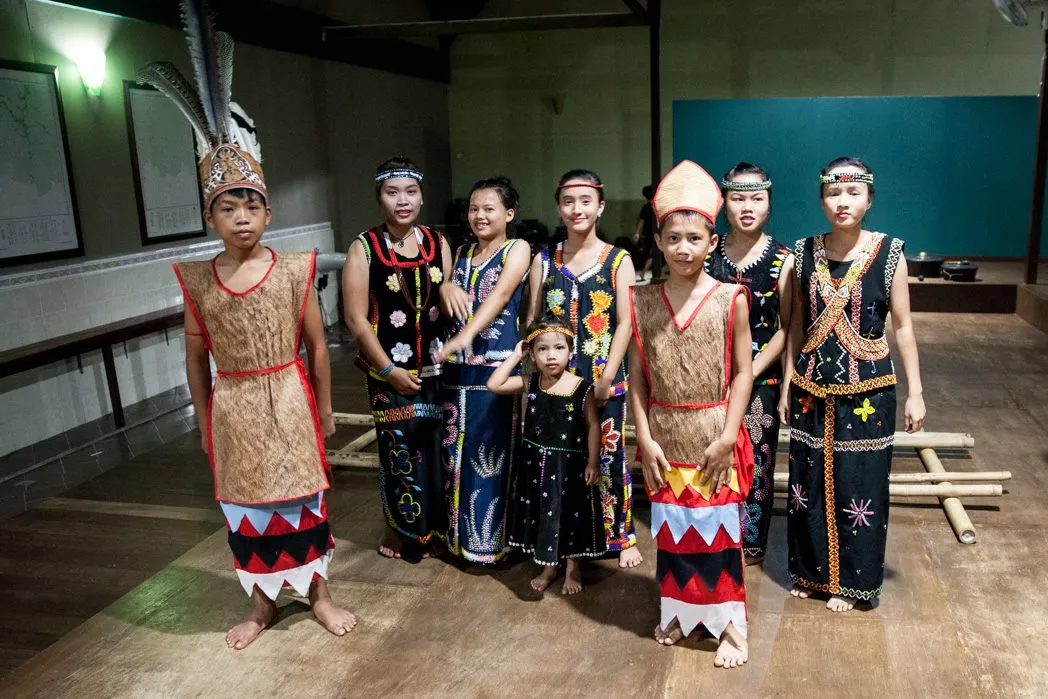
Guests who visit Orou Sapulot are hosted at the Romol Eco Village Longhouse, a rebuilt traditional Murut longhouse that serves as the social heart of the village. After dinner, the Murut children perform traditional dances and music. Guests are invited to join in, sip Lihing rice wine from bamboo straws, and sit with the elders as they share stories of the land.
Every guide, driver, boatman, cook and host is from the surrounding villages of Sapulot. A portion of every booking goes into a community education fund, supporting the children of these villages to access proper schooling. The fund also supports forest rehabilitation. Slowly, tree by tree, Kabulongou is coming back to life. Birdwatchers have already started noticing the return of species once thought lost.
That is what your visit makes possible.
The 5 Real Impacts of CBT in Orou Sapulot
1. Direct income for the community : Boatmen, cooks, guides, drivers, hosts — every role is filled by a local. Tourism revenue stays local.
2. A reason to stay : Young Murut no longer have to migrate to Kota Kinabalu or Keningau to find work. Orou Sapulot creates dignified employment at home.
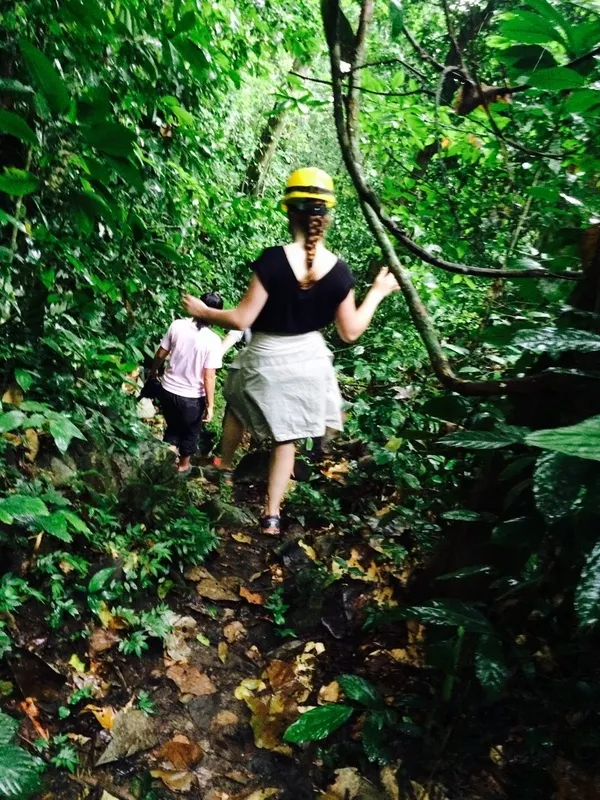
3. Forest rehabilitation : Kabulongou's recovery is ongoing. Every visit funds reforestation. Guests can even participate in tree planting.
4. Cultural preservation : Traditional dances, rice wine ceremonies, weaving, beading. These are not performances staged for tourists. They are living traditions, kept alive because they are valued and shared.
5. Education : A portion of every booking funds the village education fund, giving Murut children better opportunities without having to leave their home.
Come and See It for Yourself
Orou Sapulot is not a tourist attraction. It is a living, breathing community that has chosen to open its doors, its forests, its longhouse, its culture and its table, to those who come with respect and curiosity.
If you want to travel somewhere that genuinely matters, this is it.
Related Reading
- Murut Community Eco-Tourism in Sabah | Borneo Outback Tours
- Sabah Off the Beaten Path: The Wild Interior & More
- Tribes of Borneo: Dayak, Iban, Murut and More
Ready to Experience the Real Borneo?
Small-group jungle, cave and cultural journeys run year-round from Kota Kinabalu, guided by the Murut community of Sapulot.
View Tour Packages WhatsApp Us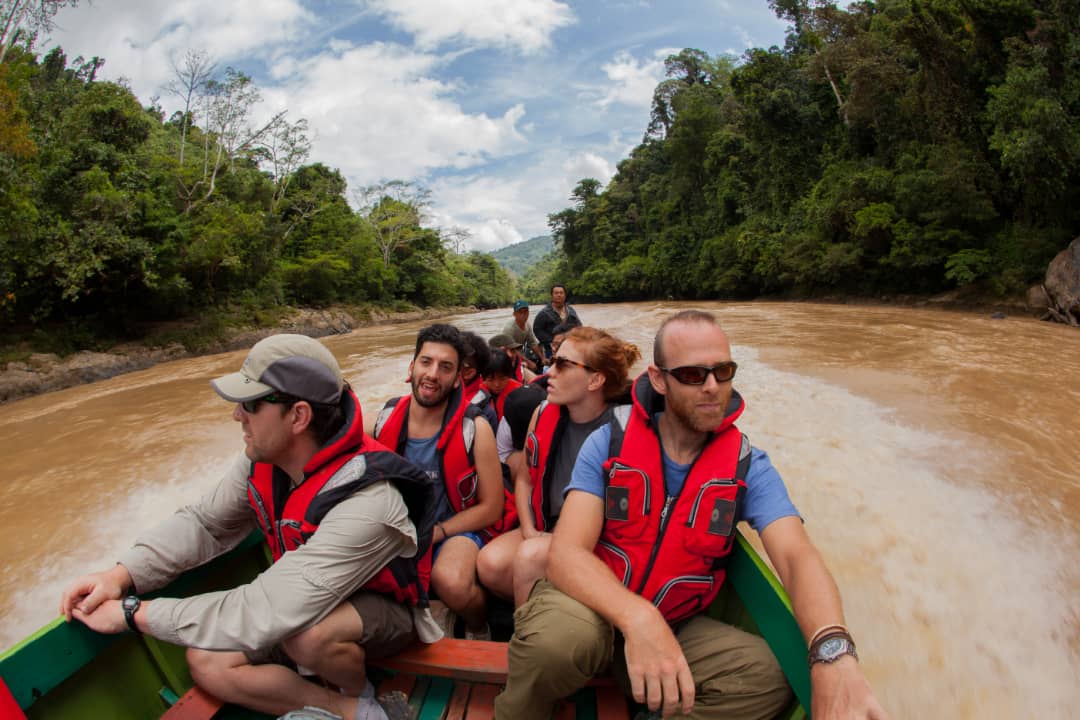


.svg)