
Who Are the Murut People? Unraveling the Mysteries of Sabah's Indigenous Warriors
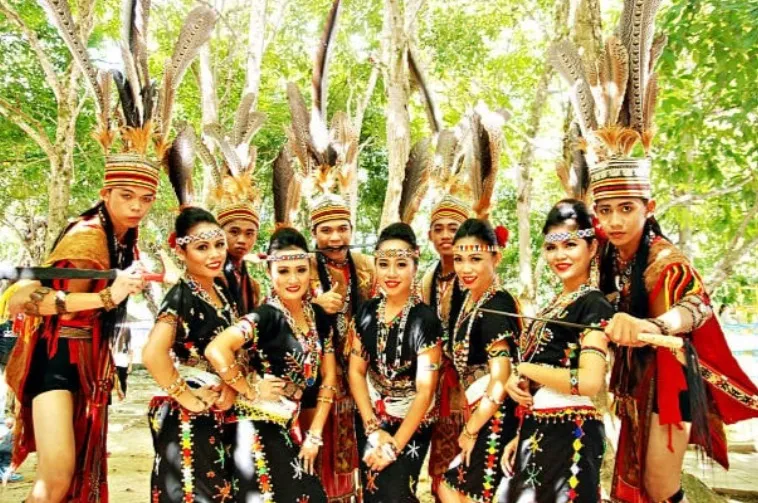
They call themselves the "hill people." To the outside world, they were once feared as the last headhunters of Borneo. Today, the Murut people of Sabah are something far more remarkable: guardians of a living culture, custodians of some of the most pristine rainforest on earth, and the warm, generous community at the heart of Orou Sapulot.
If you are coming to visit us, this is who you will meet.
The Origins of the Murut People
The Murut are one of the oldest indigenous ethnic groups in Sabah, inhabiting the rugged interior highlands of southwestern Borneo for centuries. The word "Murut" itself translates to "hill people" in their language, a fitting name for a community whose identity is inseparable from the forests and rivers that surround them.
They are spread across Sabah's interior districts of Nabawan, Tenom, Keningau, Sipitang and Beaufort, with communities extending into Sarawak, Brunei and North Kalimantan. Here in Sapulot, along the banks of the Sapulot River close to the Kalimantan border, you find the Murut in their most traditional and unspoiled setting.
Warriors of Borneo
No honest account of the Murut leaves out their warrior past. Historically, the Murut were the last ethnic group in Sabah to renounce headhunting, a practice that was deeply woven into their spiritual beliefs rather than mere aggression. Bringing home the head of an enemy was seen as protection for the entire community, a sacred act tied to their most important life milestones.
Their most celebrated hero is Ontoros Antonom (1885-1915), a warrior chief who led nearly a thousand Murut fighters from Tenom, Keningau and Pensiangan in an uprising against the British North Borneo Company. Armed with blowpipes, swords and spears, they held off 400 British soldiers equipped with firearms. Ontoros Antonom was eventually captured through deception and executed at just 30 years old. He remains a symbol of Murut courage and resistance to this day.
That warrior spirit did not disappear. It simply transformed. Today it lives in the determination of communities like ours in Sapulot, fighting not with spears but with conservation, education and sustainable tourism to protect what remains of their land and culture.
Culture and Traditions
Murut culture is rich, colourful and deeply communal. Life has always revolved around the longhouse, where multiple families live together, decisions are made collectively, and no one goes without.
A few things you will experience when you visit Orou Sapulot:
The Lansaran. The Murut traditional dance performed on a trampoline-like bamboo floor. Dancers jump to reach a suspended object above them, a tradition historically performed to welcome warriors returning from battle. Today it is one of the most joyful and memorable experiences for our guests.
Gong music. The agung ensemble, a set of large hanging gongs, accompanies almost every significant Murut ceremony. The sound carries across the river valleys and into the forest.
Lihing and Tapai. The Murut are renowned for their traditional rice wine (Lihing) and fermented tapioca drink (Tapai), served from jars through bamboo straws. Both are central to celebrations and to welcoming guests.
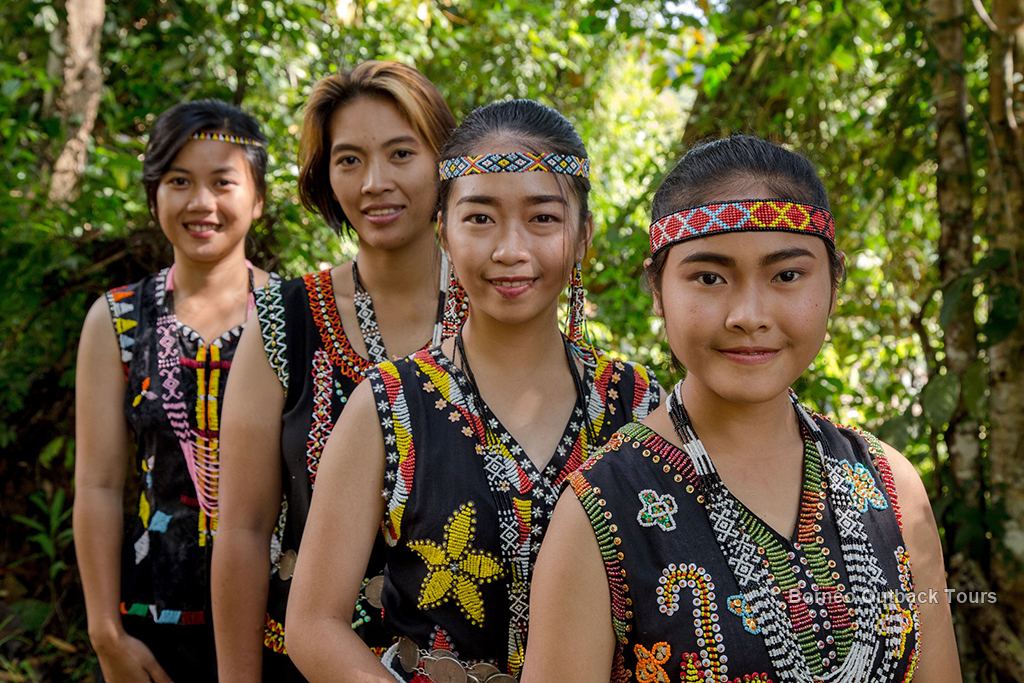
Beadwork and weaving. Murut women are skilled craftspeople. Their traditional attire features intricate beadwork, with specific patterns carrying cultural meaning passed down through generations.
The Challenges They Face
The Murut today face the same pressures as indigenous communities everywhere. Modernisation draws young people to the cities. Deforestation has eaten into ancestral land. Traditional language, ceremony and knowledge risk being lost as elders pass on without successors.
In Sapulot specifically, illegal logging devastated Kabulongou, a vast forest that had sustained the community for generations. The loss was not just environmental. It was cultural.
Why Orou Sapulot Exists
This is exactly why Orou Sapulot was founded. By creating dignified, community-owned tourism in the heart of Murut territory, we give the forest and the culture an economic reason to survive. Young Murut have a reason to stay and take pride in what their ancestors built. The longhouse stays alive. The dances are performed not because tourists are coming but because the community chooses to keep them alive.
When you visit Orou Sapulot, you are not observing the Murut from a distance. You are sitting with them, eating with them, and for a few days, living as they do.
There is no better way to understand who the Murut people really are.
Murut People: Frequently Asked Questions
What does "Murut" mean?The word Murut translates to "hill people" in their own language, reflecting a community whose identity is bound to the forested highlands of interior Borneo.
Were the Murut really headhunters?Yes. The Murut were the last ethnic group in Sabah to give up headhunting. It was a spiritual practice rather than simple aggression, believed to bring protection to the community and tied to important life milestones.
Who was the greatest Murut warrior?Ontoros Antonom (1885 to 1915), a warrior chief who led nearly a thousand Murut fighters against the British North Borneo Company, holding off 400 armed soldiers with blowpipes, swords and spears. He remains a symbol of Murut courage.
Where do the Murut people live?Across Sabah's interior districts of Nabawan, Tenom, Keningau, Sipitang and Beaufort, with communities reaching into Sarawak, Brunei and North Kalimantan. The most traditional Murut communities are found around Sapulot.
Can you visit a Murut community?Yes. Orou Sapulot in the Sapulot interior offers community-owned tours where you stay in a Murut longhouse, share meals and experience the culture firsthand.
Explore our packages and plan your visit
Related Reading
- Murut Culture: Traditions of Sabah's Hill People
- Headhunters of Borneo: The True Story of the Murut
- Murut Language: Meaning, Words and Where It's Spoken
Ready to Experience the Real Borneo?
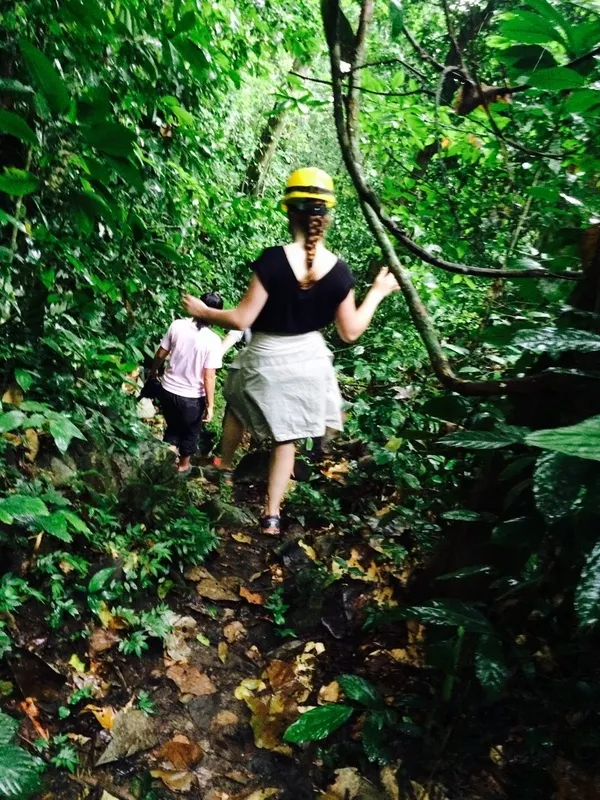
Small-group jungle, cave and cultural journeys run year-round from Kota Kinabalu, guided by the Murut community of Sapulot.
View Tour Packages WhatsApp Us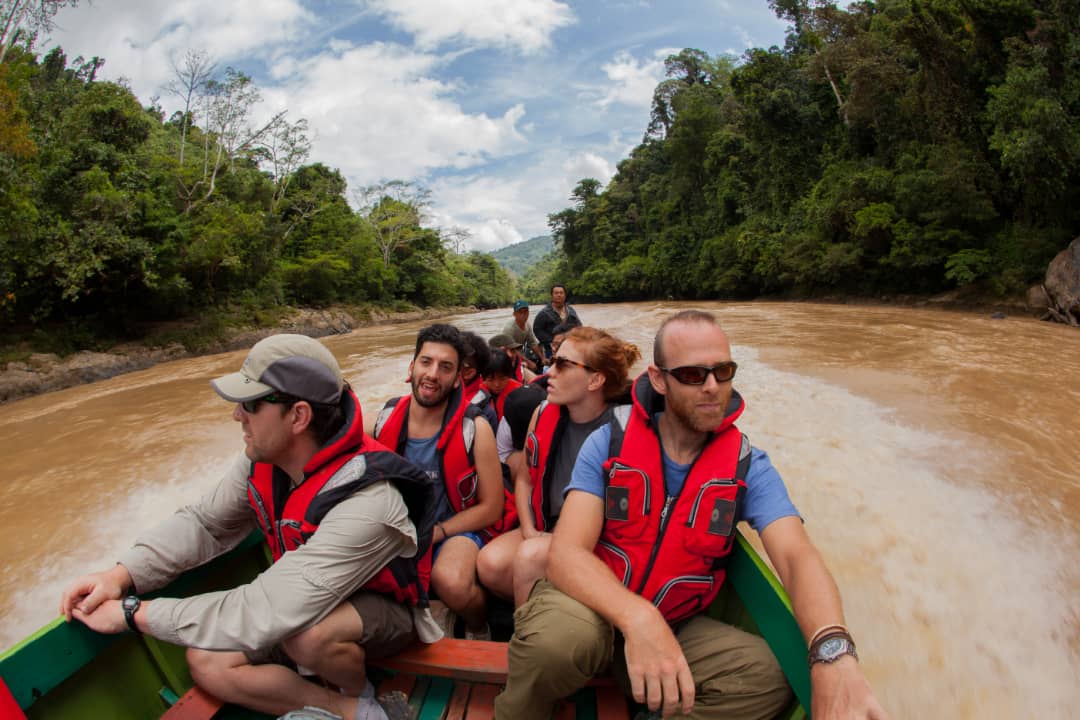


.svg)