
Borneo Weather by Month: A Practical Guide to the Seasons
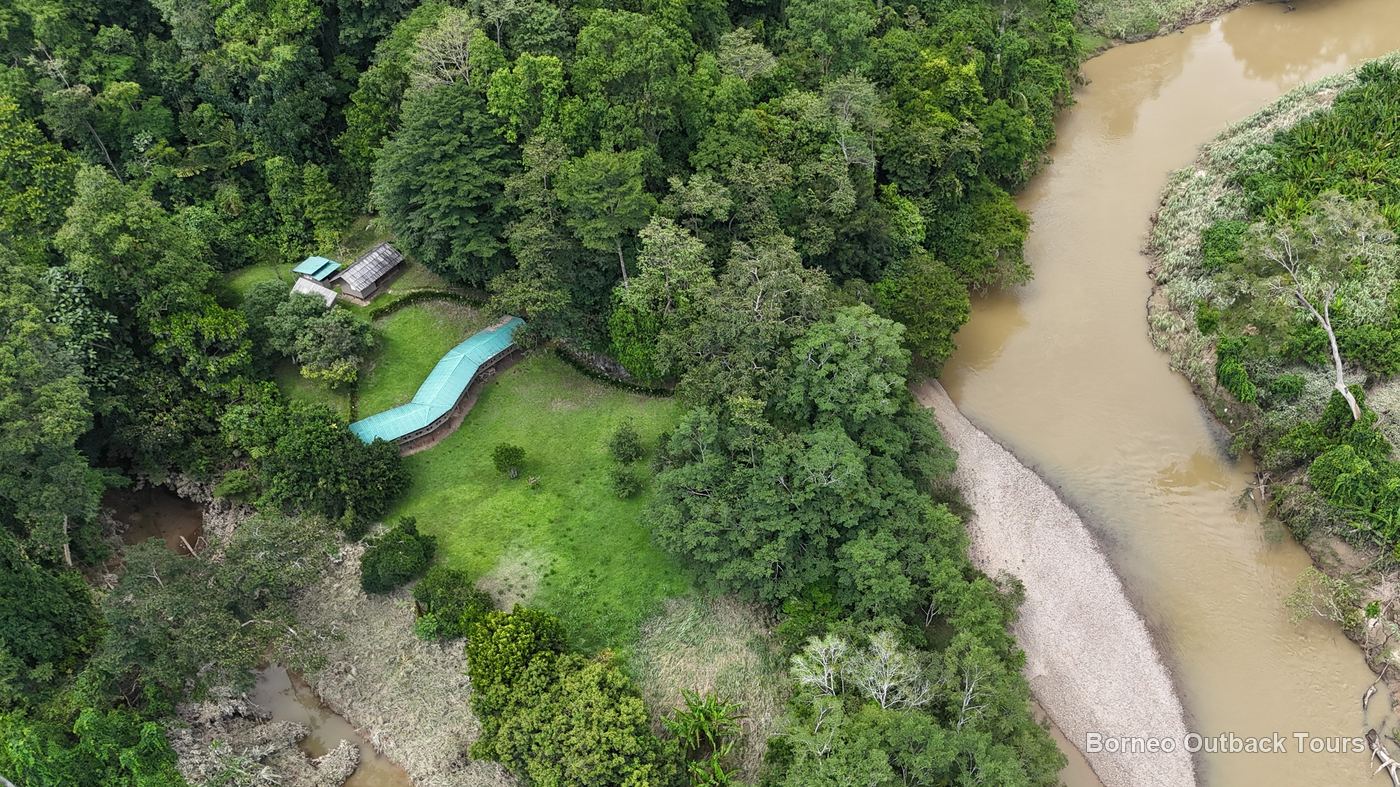
Borneo's weather has a reputation for being complicated. It isn't. The world's third-largest island is equatorial: hot every day, humid every day, with rain that varies by season and coast. Understand two monsoons and you understand Borneo weather. This guide gives you the month-by-month picture, plus what conditions actually mean on the ground for jungle, mountains and sea.
Borneo Weather Basics
- Temperature: 24 to 33°C in the lowlands year-round; nights around 23°C. Highlands run cooler, and Mount Kinabalu's summit can approach freezing before dawn
- Humidity: 80 to 90 percent, always. You will sweat; plan clothing accordingly
- Rain: the variable. The northeast monsoon (November to February) brings the wettest months; the southwest monsoon (May to September) the driest. March-April and October are transitions
- Daylight: about 12 hours (roughly 6am to 6pm) every day of the year
Borneo Weather Month by Month
January: Peak wet season. Heavy rain, especially on east coasts; rivers high, seas rough on exposed shores. Waterfalls thunder.
February: Still wet but easing. Good for lush-forest photography; jungle trails muddy.
March: Transition. Rain tapers, seas calm, trails begin to dry. A smart shoulder month.
April: Dry season arriving. Excellent everywhere; rivers still full enough for smooth longboat travel in the interior.
May: Prime. Reliable sun, manageable showers, and festival season in Sabah (Kaamatan all month).
June: Dry and settled. Great visibility for diving; firm trails for trekking.
July: Driest stretch begins. Peak conditions and peak crowds at headline sites.
August: Like July: blue-sky mornings, brief afternoon build-ups, busy lodges.
September: Still excellent. Crowds thin; occasional regional haze in some years.
October: Transition back. Perfectly usable, with rising afternoon showers late in the month.
November: Wet season builds, particularly on east-facing coasts.
December: Wet and dramatic. Quiet trails, full rivers, festive towns.
What "Rain" Really Means Here
Equatorial rain is not a grey drizzle that eats the day. The classic pattern is a bright morning, clouds building after lunch, a hard downpour of an hour or two, then clearing. Even in the wet season, mornings are often superb, which is why jungle itineraries front-load activities early in the day. A rain shell and a dry bag turn "bad weather" into a minor plot point.
Weather in the Interior: A Different Calculus
In deep-interior regions like Sapulot, weather matters mainly through rivers. Longboats are the roads; heavy rain upstream raises levels fast, making some runs faster and others impossible. Local Murut boatmen read the rivers daily and adjust routes accordingly, one of many reasons interior travel here works through guided packages rather than independent plans. Trails, meanwhile, dry within a day or two of rain in the March-to-October window.
Worst Time to Visit Borneo?
If forced to name one, mid-December through January is the riskiest for coastal and diving plans, with the heaviest rain and roughest seas. Yet even then the west coast is often fine, cities function normally, and the rainforest, which is after all a rainforest, is magnificent. There is no month where Borneo "closes".
Microclimates: Why Two Forecasts Are Both True
Borneo's size and topography mean the island rarely has one weather story. The Crocker Range wrings rain from air moving between Sabah's west coast and the interior, so Kota Kinabalu and Keningau can have opposite afternoons. East-facing coasts (Sandakan, Semporna) take the brunt of the northeast monsoon that the sheltered west barely notices. Highlands like Kundasang run 10 degrees cooler than the plains below them, and river valleys in the deep interior brew their own afternoon convection storms that pass in an hour and were never in any forecast.
The practical upshots: first, check forecasts for your specific coast, not "Borneo"; second, build one flexible day into any week-long plan; third, trust local readings over apps, a Murut boatman's glance upriver outperforms a weather model for the question that matters (can we run the rapids this afternoon?). And keep perspective: this weather built the oldest rainforest on Earth. The afternoon downpour that pauses your trek is also why everything around you exists.
Frequently Asked Questions
What is the hottest month in Borneo?Temperatures barely vary, but April and May often feel hottest, with strong sun and rising humidity before the southwest monsoon settles in.
Does it rain every day in Borneo?In the wet season, most days see rain at some point, usually as an afternoon downpour rather than all-day drizzle. In the dry season, several days can pass completely dry.
Which months are best for Borneo overall?April to September offers the most dependable weather across jungle, mountain and sea. See our guides to the best time to visit Borneo and the best time to visit Sabah for detail.
The Bottom Line
Borneo weather runs on a simple engine: always warm, always humid, rain by season. Aim for April to September for the smoothest ride, treat showers as part of the rainforest's character, and remember that the animals, rivers and forests don't take any month off.
Jungle journeys in Borneo's interior run year-round with Orou Sapulot Tours, founded by the Murut community of Sapulot, Sabah.
Related Reading
- Best Time to Visit Sabah: Month-by-Month Guide
- Best Time to Visit Borneo: A Month-by-Month Guide
- Borneo Itinerary: 7 to 14 Days Done Right
Ready to Experience the Real Borneo?
Small-group jungle, cave and cultural journeys run year-round from Kota Kinabalu, guided by the Murut community of Sapulot.
View Tour Packages WhatsApp Us

.svg)