
Kinabatangan River Cruise: The Complete Wildlife Guide
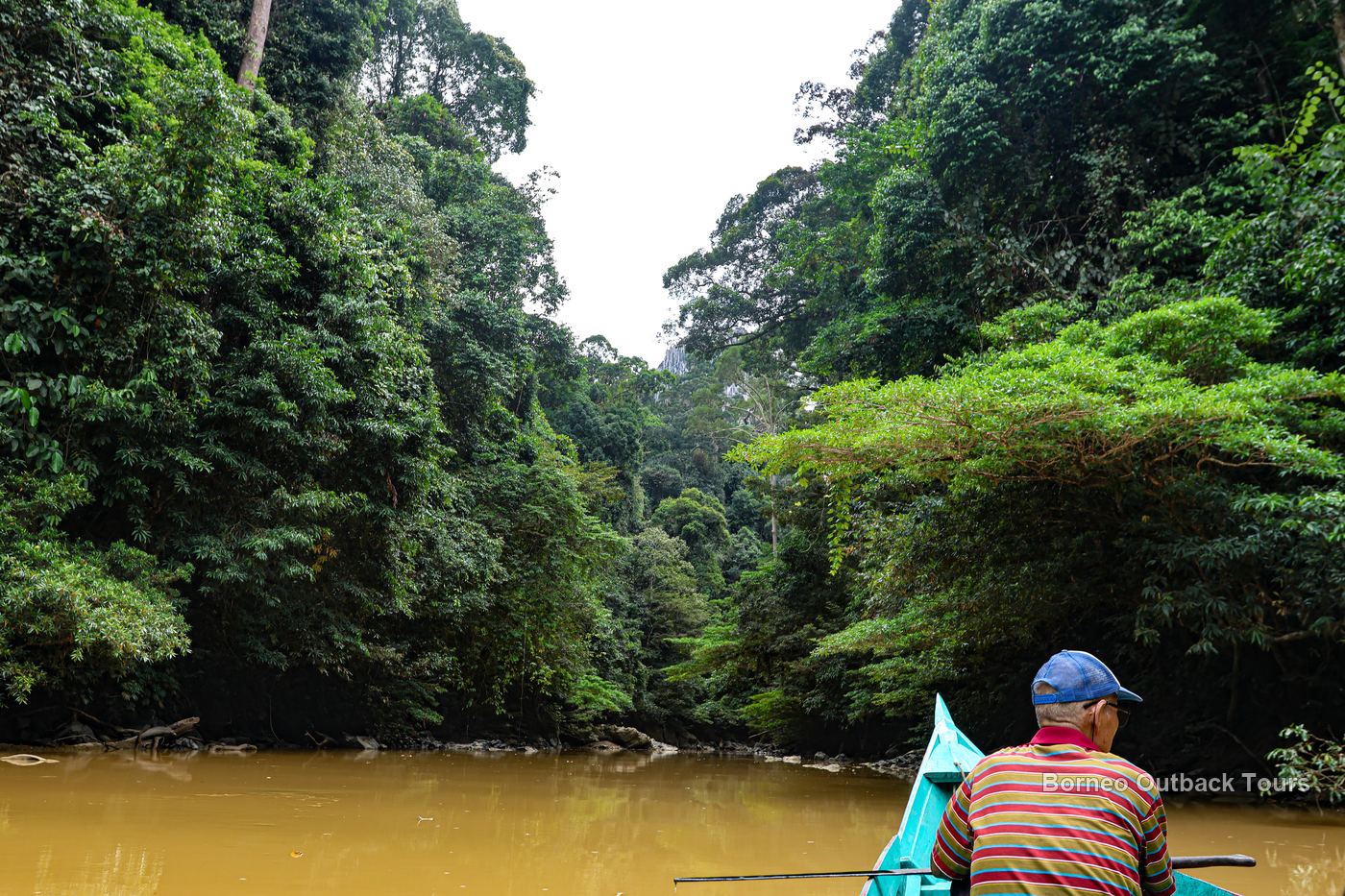
The Kinabatangan River is the easiest place in Borneo to see big wildlife from a boat: pygmy elephants on the banks, proboscis monkeys crashing through riverside trees, orangutan nests overhead and hornbills at dusk. A Kinabatangan river cruise is on almost every Sabah itinerary for good reason. This guide covers how the cruises work, what you will realistically see, costs, the best season, and how to pair the river with Sabah's wilder interior.
Where Is the Kinabatangan?
At 560 km, the Kinabatangan is Sabah's longest river, draining from the interior mountains to the Sulu Sea on the east coast. The tourism stretch centres on the lower river around Sukau, Bilit and Abai, about 2.5 hours by road from Sandakan. Decades of plantation clearance have squeezed wildlife into the riverine forest corridor, which is precisely why sightings along the water are so dense: the river is the wildlife highway.
How a River Cruise Works
The formula is consistent across lodges: arrive midday, then cruise at the golden hours when animals come to the water. A typical 2D1N or 3D2N package includes:
- Afternoon cruise (4pm to 6pm): the classic run: proboscis monkeys settling into sleeping trees, macaques, hornbills flighting to roost
- Optional night cruise or walk: kingfishers sleeping on branches, civets, crocodile eyes in the torchlight
- Dawn cruise (6am to 8am): the best light and the best chance of elephants and orangutans feeding at the edge
What You Can Expect to See
Likely: proboscis monkeys (near-guaranteed), long-tailed and pig-tailed macaques, silvered langurs, hornbills (up to six species), crocodiles, monitor lizards. Good chance: wild orangutans, especially in fruiting months. The prize: Borneo pygmy elephants, whose herds move along the river unpredictably; multi-night stays raise your odds substantially. Serious birders add storm's storks, kingfishers and, at Gomantong nearby, swiftlet caves.
Costs and Choosing a Lodge
Expect roughly RM400 to RM900 per person for 2D1N to 3D2N, rising with lodge comfort. Budget camps at Bilit and Abai deliver the same river as boutique lodges; you are paying for beds and buffets, not better elephants. Two nights beats one: dawn cruises are the payoff, and one-night guests get only a single shot at them.
Best Time for a Kinabatangan Cruise
Cruises run all year. The March-to-October dry season gives smoother travel and concentrated wildlife; fruiting seasons (variable, often May to September) boost orangutan sightings. Wet-season cruising still produces, with fuller forests and fewer boats. For the wider seasonal picture see our best time to visit Sabah guide.
The Honest Caveats
Two things brochures soft-pedal. First, boat traffic: Sukau's popular stretches can see several boats at one sighting in peak season; quieter operators and the Abai end reduce this. Second, the landscape: you will pass plantation edges, the reality of the modern Kinabatangan and a powerful argument for the corridor-conservation work your visit helps fund.
Pairing the River with the Real Interior
Here is the itinerary insight most visitors miss: the Kinabatangan shows you Borneo's wildlife, but not wild Borneo, the lower river is a corridor through farmed land. For the other half of the story, head to the unlogged interior around Sapulot: primary rainforest, longboat rivers with no other boats, Batu Punggul, caves and Murut longhouse culture. River safari plus interior expedition is the strongest one-two combination Sabah offers; Sapulot packages run 2 to 5 days from Kota Kinabalu.
Photography on the River: Getting the Shot
The Kinabatangan is one of Asia's most forgiving wildlife photography classrooms: subjects are close, boats are stable, and the golden hours are exactly when cruises run. A few field notes. Bring the longest lens you own, but don't despair with a 200mm or even a good phone, proboscis troops and hornbill flybys happen within range. Set a fast shutter (1/800s or better) before the boat leaves; primate action is sudden and dusk light fades faster than you expect. Ask the boatman before standing, and use his knowledge: crews know which fig trees are fruiting and where last night's elephant sign was, and a quiet word about what you hope to shoot shapes the whole route.
Etiquette doubles as technique. Boats that keep respectful distance get natural behaviour worth photographing; boats that crowd get backs and departures. Silence your shutter sounds where possible, skip flash entirely (it is useless at distance and unwelcome at night), and put the camera down for the last ten minutes of the dusk cruise at least once, the hour when the river goes molten and the swiftlets come low is worth one undocumented memory.
Frequently Asked Questions
How many nights do you need on the Kinabatangan?
Two nights (3D2N) is the sweet spot: three or four cruises, including two dawn runs, without repetition setting in.
Will I see pygmy elephants?
No lodge can promise them; herds roam widely. Multi-night stays in elephant season (often June to October) give the best odds, and sightings several days running are common when a herd is in the area.
Is the Kinabatangan worth it if I'm also visiting Danum or Sapulot?
Yes, they answer different questions. Kinabatangan is about wildlife density from a boat; Danum and Sapulot are about pristine forest. Combining a cruise with an interior journey covers both.
The Bottom Line
A Kinabatangan river cruise earns its place on every Sabah itinerary: nowhere else puts this much Bornean wildlife in front of a first-time visitor this reliably. Give it two nights, go at dawn, then let the wild interior finish the story the river begins.
Pair your river safari with the interior: expeditions to Sapulot are operated by Borneo Outback Tours, founded by the Murut community of the region.
Related Reading
- Borneo Tours: The Complete Guide to Doing It Right
- Borneo Itinerary: 7 to 14 Days Done Right
- Best Time to Visit Sabah: Month-by-Month Guide
Ready to Experience the Real Borneo?
Small-group jungle, cave and cultural journeys run year-round from Kota Kinabalu, guided by the Murut community of Sapulot.
View Tour Packages WhatsApp Us

.svg)