
A Longhouse Stay in Borneo: What It Is Really Like
Ask returning Borneo travellers for their single strongest memory and the same answer keeps coming up: not the summit, not the caves, but the night in the longhouse. A longhouse stay is the closest a visitor gets to Borneo's beating heart, and it is nothing like a hotel. Here is what it is actually like.
What a longhouse is
A longhouse is exactly what the name says: one long raised wooden building, home to many families under a single roof. Each family has private quarters; all of them open onto a shared covered veranda that runs the building's full length. That veranda is the point. It is the village square, dining hall, gossip exchange and dance floor, and when guests arrive, it is where the evening happens.
Where you actually sleep
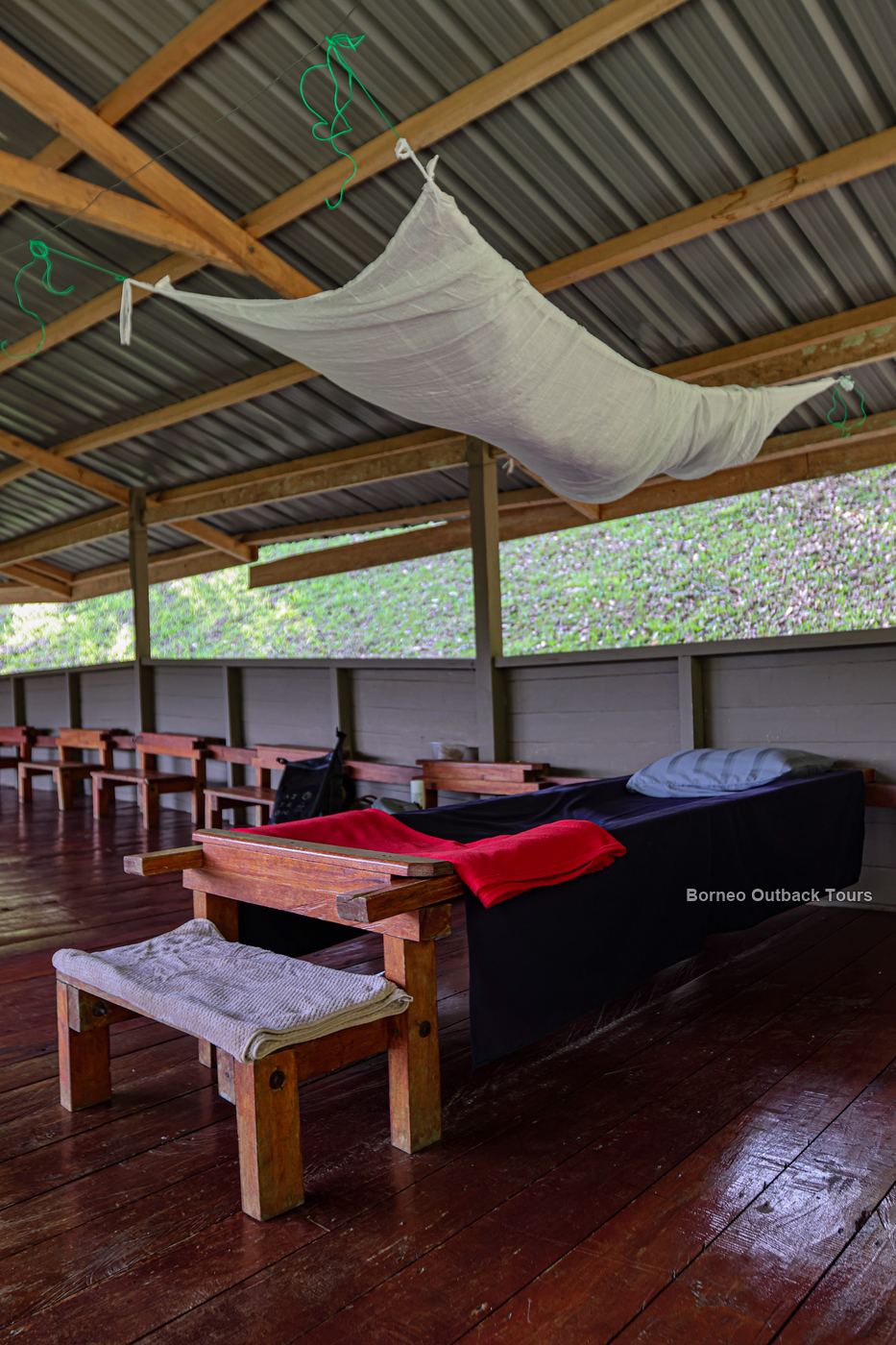
At Romol Eco-Village in Sapulot, guests sleep in the longhouse on proper mattresses under mosquito nets. Bathrooms are shared and simple, water may be river-cool, and the soundtrack is cicadas, the river, and a rooster with no respect for your jet lag. It is comfortable in the way a good field camp is comfortable: everything you need, nothing you don't.
The evening: tapai, music and the magunatip
Longhouse evenings follow a rhythm older than tourism. Dinner is cooked by the families: hill rice, jungle ferns, river fish, chicken. Then the jars come out. Tapai, the Murut rice wine, is drunk through bamboo straws from a shared ceramic jar, and refusing a polite first sip takes more diplomacy than accepting it. Music follows, and sooner or later the bamboo poles come out for the magunatip, the clashing-pole dance that looks effortless until it is your ankles between the poles. Guests are not an audience here; you will be pulled in, laughed with, and taught.
Etiquette, briefly
None of it is complicated. Accept what is offered or decline it gently. Ask before photographing people. Dress modestly around the village. Learn two words of Murut and use them badly; delight follows. Your hosts have welcomed guests for years and will steer you kindly around anything else.
Sabah or Sarawak for a longhouse stay?
Sarawak's Iban longhouses on the Lemanak and Skrang rivers are the famous ones, and good operators run them well. The Sabah version is smaller-scale and, at Sapulot, community-owned: the family serving your dinner owns the tour company. If you want a longhouse night that is part of a bigger interior journey, with caves, rivers and Batu Punggul around it, the Murut heartland is hard to beat.
One honest warning
Longhouse hospitality recalibrates the rest of your trip. Hotel breakfasts feel a little bloodless after eating hill rice cooked over a fire by the woman who grew it.
Frequently Asked Questions
Longhouse stays at Romol Eco-Village in Orou Sapulot are hosted by the Murut families who own it.
What is a longhouse?
A longhouse is a traditional Bornean dwelling: one long raised wooden structure sheltering many families, each with private quarters opening onto a shared covered veranda that works as the village's living room, meeting hall and dance floor.
Are longhouse stays comfortable?
Comfortable, not luxurious. Expect mattresses with mosquito nets, shared bathrooms, fans rather than air conditioning, and home-cooked food. What you trade in hotel polish you get back in a night you will still be describing years later.
Do people still live in longhouses in Borneo?
Yes, though fewer than before. Many families now live in individual houses, and longhouses increasingly serve as the ceremonial heart of a village. At Romol in Sapulot, the longhouse hosts guests and community celebrations alike.
How do I book a longhouse stay in Sabah?
Community-run stays are booked as part of a guided package, since the interior has no independent access. Every Orou Sapulot package includes at least one longhouse or jungle-camp night, with transport from Kota Kinabalu arranged for you.
Related Reading
- What to Expect at Orou Sapulot: A First-Timer's Guide
- Murut Culture: Traditions of Sabah's Hill People
- What is Community Based Tourism?
Ready to Experience the Real Borneo?
Small-group jungle, cave and cultural journeys run year-round from Kota Kinabalu, guided by the Murut community of Sapulot.
View Tour Packages WhatsApp Us

.svg)