
Tapai: The Rice Wine at the Heart of Murut Borneo
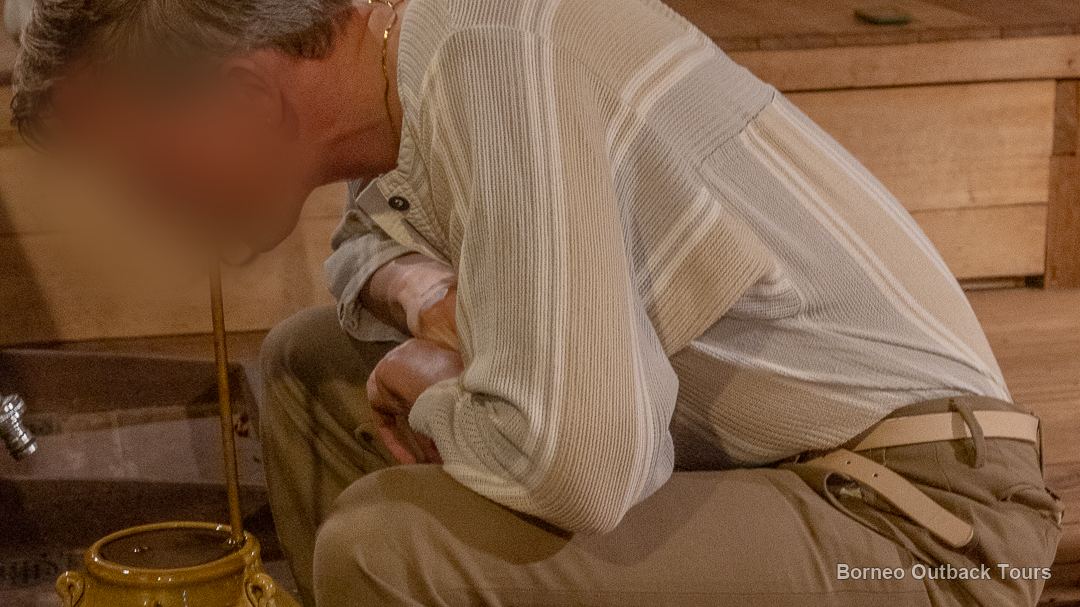
In the longhouses of Sabah's interior, friendship has a taste. Tapai, the traditional rice wine of the Murut and other Bornean peoples, is fermented in ceramic jars, drunk through bamboo straws, and poured at every wedding, festival and welcome worth the name. This is the story of tapai: what it is, how it is made, the etiquette around the jar, and where you can drink it the way it is meant to be drunk.
What Is Tapai?
Tapai is an alcoholic drink made by fermenting rice (or sometimes cassava) with a traditional yeast starter called sasad. Across Malaysia the word covers a family of ferments, from the sweet dessert tapai pulut of the peninsula to Sabah's celebratory brews; among Sabah's Murut people it means the real thing: a jar wine, brewed strong for gatherings, ranging from lightly sweet and cloudy to sharp and warming depending on age.
Its cousins go by other names across Borneo, tuak among the Iban, lihing among the Kadazan-Dusun, but the jar-and-straw ceremony of the Murut is one of the island's most distinctive drinking traditions.
How Tapai Is Made
- The rice: glutinous hill rice is cooked and cooled, spread on mats
- The starter: sasad, a pressed cake of wild yeasts and herbs kept by each family, is crumbled through the rice; every household's starter gives a different character, and recipes pass down generations
- The jar: the mixture goes into glazed dragon jars, some of them antiques centuries old and treasured as family wealth, sealed and left to work
- The wait: weeks at minimum; months for wine with authority. Jars are often started long before a wedding or festival date
When the jar is opened, water is added and the wine drawn up through a long bamboo straw, refilled and shared until the jar is truly finished.
The Etiquette of the Jar
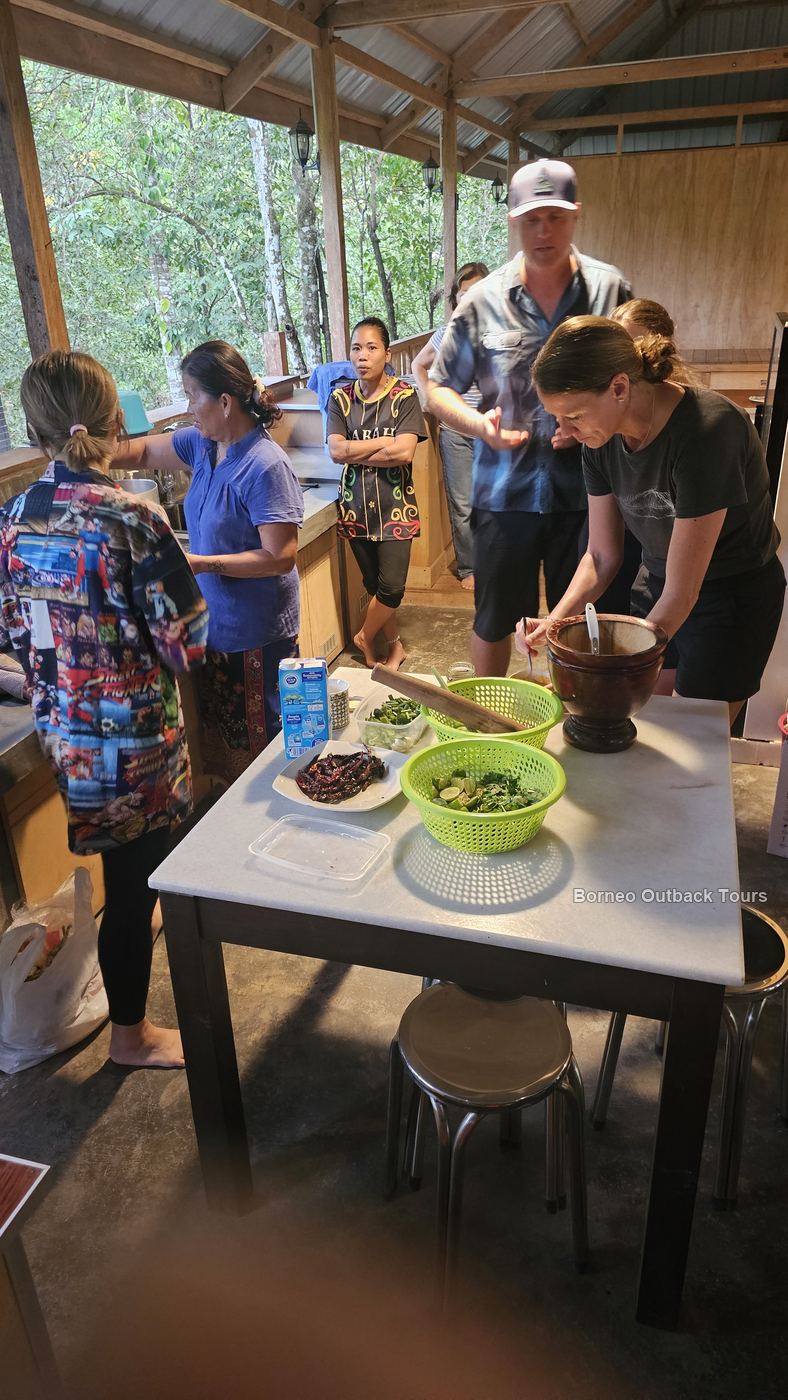
Drinking tapai is social by design, one jar, shared straws, and a set of customs every guest should know:
- Guests first: the guest of honour opens the drinking; refusing outright can offend, but a modest sip honours the gesture
- Steady wins: your hosts will cheerfully refill your turn; pace yourself, jar wine is stronger than it tastes
- Toast the house: tapai marks agreements, welcomes and thanks; drink to your hosts and mean it
- Non-drinkers: explain politely; a token touch of the straw or a raised glass of something else is generally received with grace
Tapai in Murut Life
No Murut celebration is complete without the jars: weddings, harvest festivals, funerals' end-of-mourning feasts, and the welcoming of guests to the longhouse. Tapai fuels the Lansaran dance, loosens the storytelling, and binds agreements the old way. During Sabah's Kaamatan harvest season in May, jar after jar is opened across the interior, and the skill of a household's brew is a matter of real pride.
Where to Try Real Tapai
Bottled versions appear in Sabah's markets, but tapai is not really a beverage; it is an occasion. The genuine experience means a longhouse, a jar, a bamboo straw and hosts who brewed it themselves. In the Sapulot region, guests on Murut community-run tours share tapai at Romol Eco-Village as part of the cultural night: gongs, dance, stories and the jar making its rounds, hospitality in its original form.
The Jars Themselves: Heirlooms With Histories
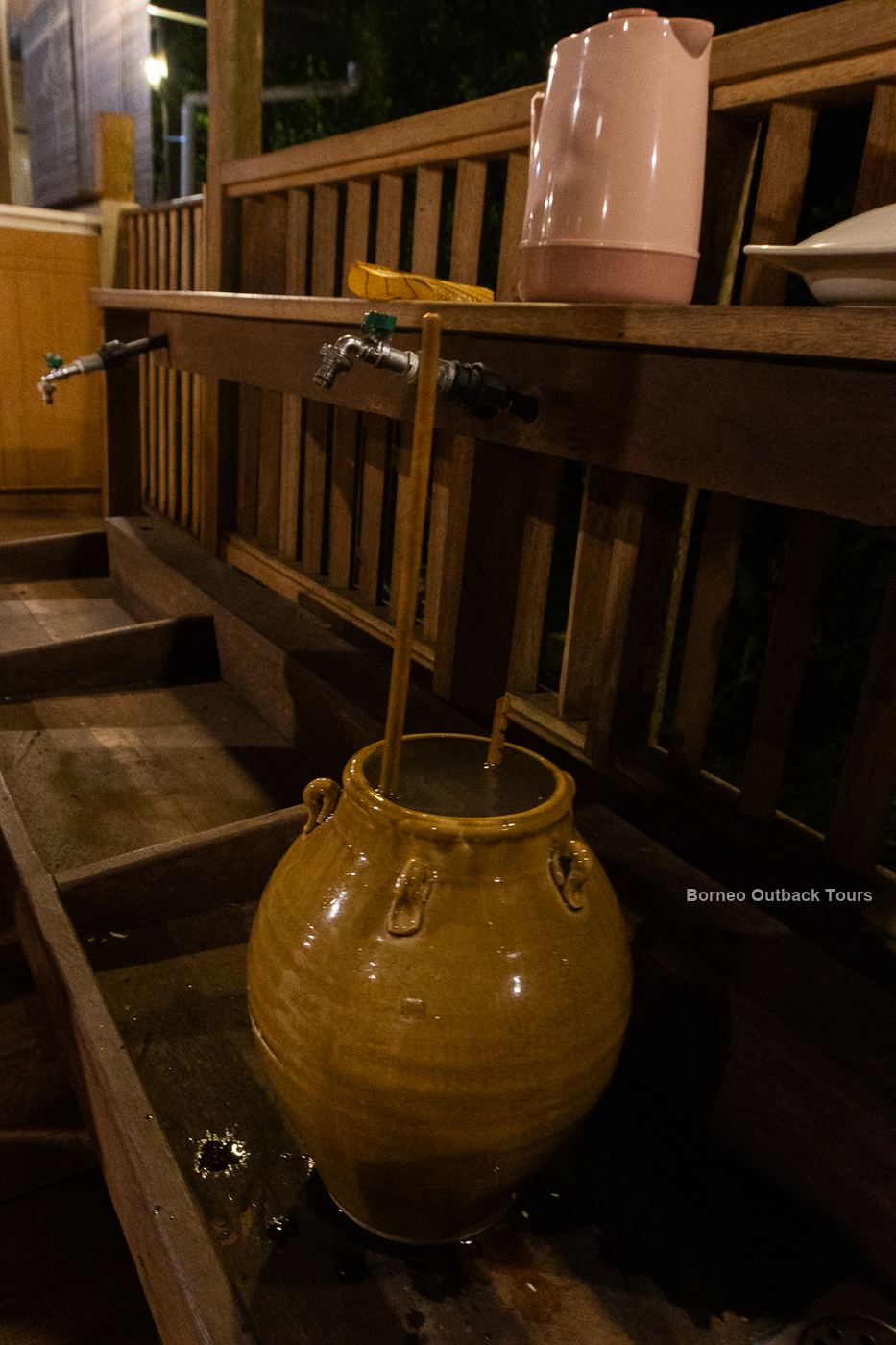
Ask about the jar before you ask about the wine, and watch your hosts light up. The glazed stoneware jars (tajau) that ferment and serve tapai are among the most storied objects in Borneo: many arrived centuries ago through trade from China and mainland Southeast Asia, exchanged upriver for forest products, and became the interior's currency of consequence, paid in bride-wealth, settlements and alliance. Families know each inherited jar's biography: which marriage it sealed, which grandmother's grandmother received it, which dragon-relief pattern marks its age and origin. In the old religion some jars held spirits of their own and were fed and consulted; even now, heirloom tajau are handled with a care that has nothing to do with their resale value and everything to do with who has drunk from them.
So when a Sapulot longhouse opens a jar for guests, the gesture is layered: you are being served not just a drink but a family's history, through an object that may have watched a dozen generations of the same celebration. Sip accordingly.
Frequently Asked Questions
How strong is tapai?
Typically somewhere between strong beer and light wine, though aged jars can surprise. It drinks smoother than its strength suggests, which is worth remembering around turn three of the straw.
Is tapai the same as tuak?
They are close cousins: both Bornean rice wines. Tuak is the Iban term in Sarawak; tapai is used in Sabah, with each community's methods and starters giving distinct character.
Can visitors watch tapai being made?
Yes, village stays in Sapulot often include seeing the process, from sasad starter to sealed jar, especially outside festival season when new jars are being laid down.
The Bottom Line
Tapai is Borneo's history in a jar: rice from the hill farms, yeasts kept alive through generations, and a ceremony that turns drinking into belonging. Taste it in a longhouse with the people who made it, and you will understand why no bottle from a shelf ever quite compares.
Tapai evenings and Murut cultural stays are operated by Borneo Outback Tours, founded by the Murut community of Sapulot.
Related Reading
- Murut Culture: Traditions of Sabah's Hill People
- Magunatip: The Murut Bamboo Dance of Sabah
- What to Expect at Orou Sapulot | First-Timer's Guide
Ready to Experience the Real Borneo?
Small-group jungle, cave and cultural journeys run year-round from Kota Kinabalu, guided by the Murut community of Sapulot.
View Tour Packages WhatsApp Us

.svg)