
Magunatip and Lansaran: The Dances of the Murut
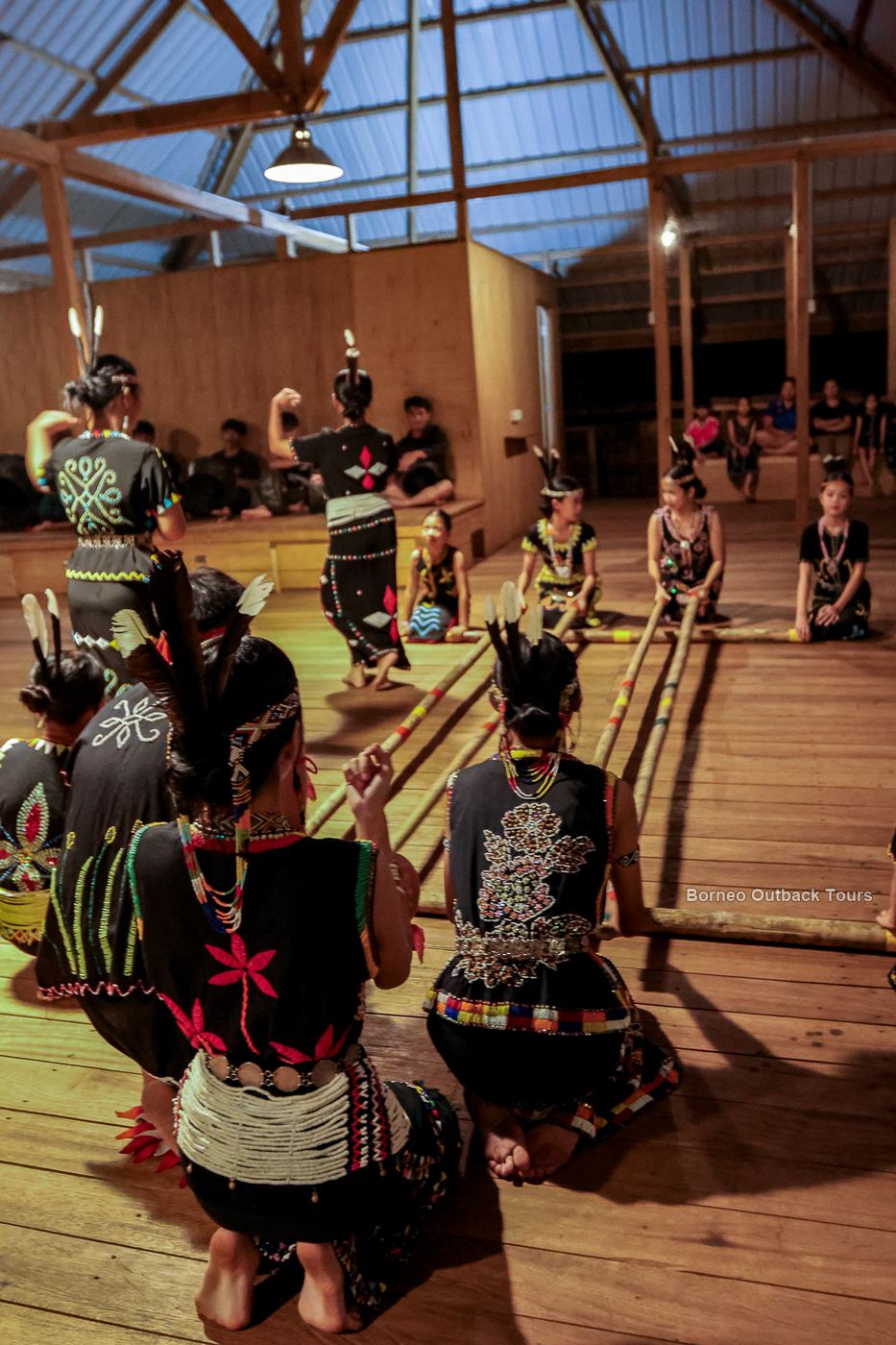
Two pairs of bamboo poles clap together at ankle height, faster and faster, while a dancer steps in and out of the closing gaps with impossible calm. This is the Magunatip, the bamboo dance of Sabah's Murut people, one of Borneo's most thrilling traditional performances and, for the dancer, a game of rhythm played against real consequences. Miss the beat and the poles catch you.
This guide covers the Magunatip and its longhouse sibling, the Lansaran, where they come from, what they mean, and where you can watch, and inevitably attempt, them yourself.
What Is the Magunatip?
The Magunatip takes its name from the word for "press together" or "clip" in Murut languages, an accurate warning. Performers kneel in pairs, sliding long bamboo poles against each other in rhythmic patterns: apart, together, apart, together. Dancers step between the poles in time, feet flicking out at the exact moment of the clap. As the tempo climbs, the margin shrinks to fractions of a second, and skilled dancers add crossings, turns and pairs dancing simultaneously.
Its origins are usually traced to the warrior era: a training game for the agility and nerve a Murut fighter needed, danced in celebration when war parties returned. Today it is the showpiece of Murut cultural celebration, performed at festivals, weddings and welcome ceremonies across Sabah's interior.
The Lansaran: The Dance Floor That Fights Back
The Murut have a second signature dance, and it needs special architecture. The Lansaran is a sprung platform built into the longhouse floor: hardwood beams engineered to flex, turning a section of the house into a communal trampoline. Dancers circle, chant and bounce in unison, driving the platform's rhythm higher until one leaps for a prize, traditionally hung from the roof beams. Where the Magunatip is precision, the Lansaran is collective joy; a good Lansaran session shakes the whole longhouse and everyone in it.
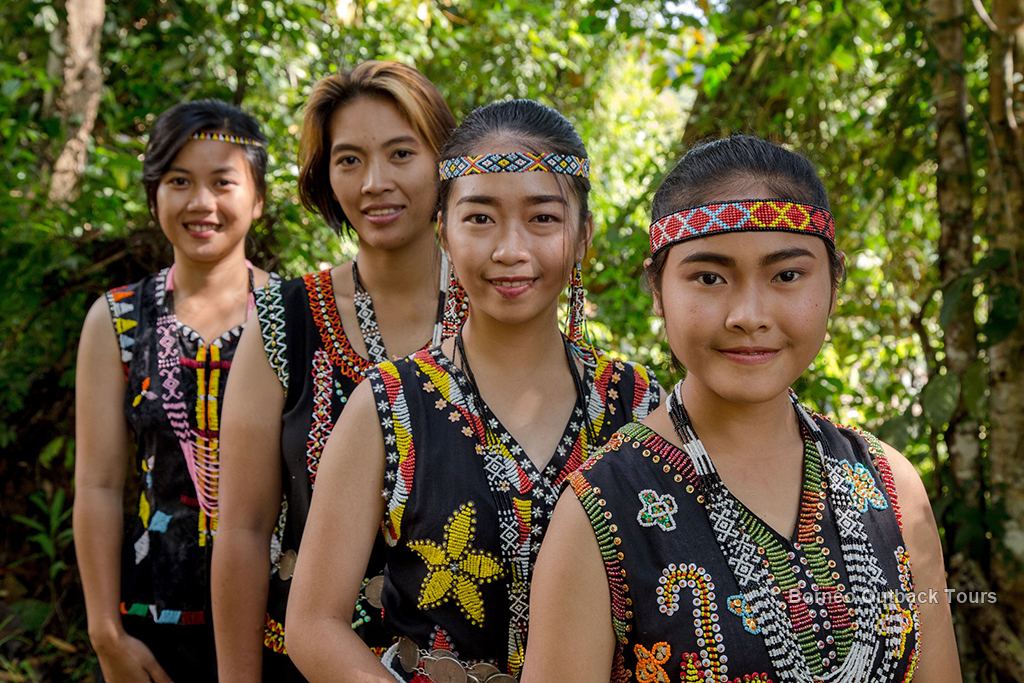
Both dances belong to the same world of Murut culture: gong ensembles keeping time, dancers in beaded ceremonial dress, and tapai rice wine making spectators braver about joining in.
Watching, and Trying, the Dances
Cultural stages at Sabah's festivals feature the Magunatip often, especially during Kaamatan in May. But the dances live where they were born: in the longhouses of the interior. At Romol Eco-Village in the Sapulot region, cultural nights on community-run tours include both: Magunatip by dancers who grew up dodging bamboo, and the Lansaran with guests pulled onto the springing floor, which is not optional in spirit, and should not be missed in practice.
Visitors always get a turn at the Magunatip's beginner tempo. The trick: watch the poles, not your feet, find the "in-in-out" rhythm, and commit. The bamboo is forgiving at practice speed, and the applause when you survive a full sequence is genuine.
Bamboo Dances Across Asia, and What Makes Magunatip Distinct
Stepping between clapping poles is one of Asia's great shared choreographies: the Philippines' tinikling, Thailand's lao kra top mai, Vietnam's mua sap, and across eastern Indonesia a dozen local forms. Nobody owns the idea, rhythm games with harvest bamboo seem to arise wherever bamboo and festivals coexist, but each culture flavours it distinctly, and the Murut version carries signatures worth knowing. The gong ensemble drives it, giving Magunatip a deeper, more layered pulse than the Philippine version's brighter tempo; the warrior-training origin story shapes a style that prizes composure, dancers aim to look unhurried at speeds that should not allow it; and the beaded regalia, hornbill feathers and bark-cloth of the costumes tie every performance back to the longhouse world it came from.
The pairing with the Lansaran is the real differentiator: no other bamboo-dance culture follows the precision game with a purpose-built bouncing floor. The sequence of a Sapulot cultural night, gongs, Magunatip's razor timing, then the whole room rising and falling together on the Lansaran, delivers the full emotional range of Murut celebration in an hour: discipline first, then joy.
Frequently Asked Questions
Is the Magunatip dangerous?
For performers at full speed it demands real skill; for visitors trying at practice tempo, the worst outcome is a light ankle tap and a laughing audience. Wear closed shoes if you're nervous.
What music accompanies the dance?
Gong ensembles: layered bronze rhythms that set the bamboo's tempo. The gongs, poles and dancers lock into one accelerating pattern.
Where can I see the Lansaran?
Only where longhouses have the sprung floor built in. Romol Eco-Village in Sapulot maintains a working Lansaran and includes it in cultural nights for guests.
The Bottom Line
The Magunatip and Lansaran are Murut history you can hear, see and feel through the floorboards: warrior agility turned to celebration, community turned to rhythm. Watch them in a Sapulot longhouse, then step between the poles yourself, carefully, and you become, briefly, part of a tradition centuries older than the border on any map.
Cultural nights featuring the Magunatip and Lansaran are operated by Borneo Outback Tours, founded by the Murut community of Sapulot.
Related Reading
- Murut Culture: Traditions of Sabah's Hill People
- Tapai: Borneo's Rice Wine and How to Drink It Right
- Who Are the Murut People? | Borneo Outback Tours
Ready to Experience the Real Borneo?
Small-group jungle, cave and cultural journeys run year-round from Kota Kinabalu, guided by the Murut community of Sapulot.
View Tour Packages WhatsApp Us

.svg)