
Headhunters of Borneo: The True Story of Sabah's Murut Warriors
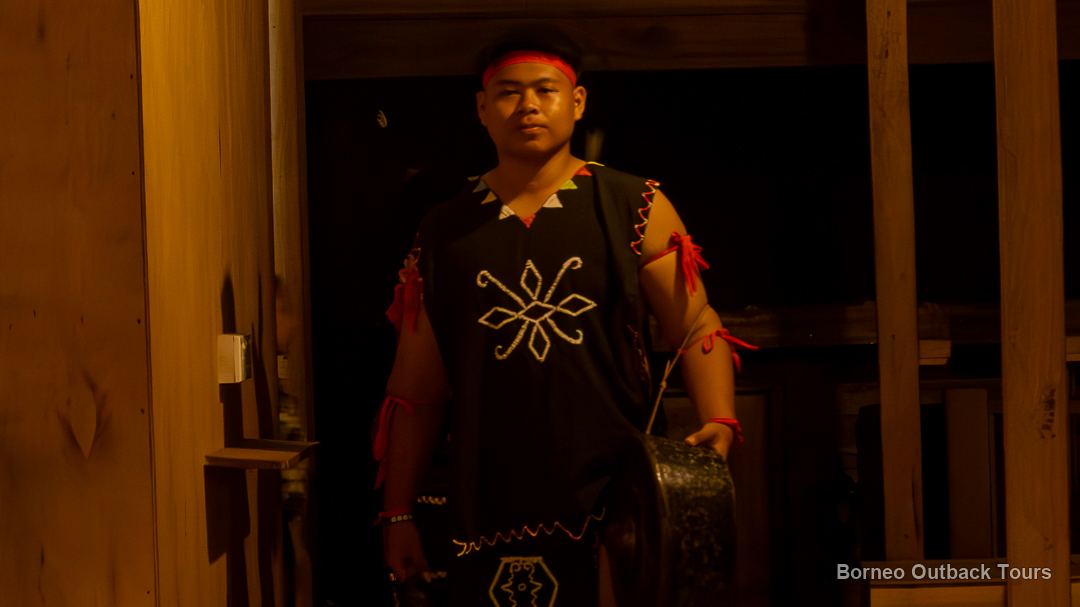
Few words conjure Borneo's past like "headhunter". For centuries, the island's interior tribes practised headhunting as part of warfare, spiritual belief and social standing, and no group in Sabah was more feared for it than the Murut. This is the real story of Borneo's headhunters: who they were, why they took heads, when the practice ended, and what remains of that world today.
It is a history best learned where it happened. The Murut heartland of Sapulot, in Sabah's deep interior, is one of the few places where you can hear these stories from descendants of the warriors themselves.
Who Were the Headhunters of Borneo?
Headhunting was once practised across Borneo by many indigenous groups: the Iban and Dayak peoples of Sarawak and Kalimantan, and in Sabah principally the Murut. The name Murut comes from the word for hill, and these "people of the hills" controlled the rugged country of southwestern Sabah, where dense rainforest and steep terrain kept outsiders away and inter-village raiding was part of life.
The Murut were the last ethnic group in Sabah to renounce headhunting, which is part of why their reputation loomed so large in colonial accounts. British North Borneo officers wrote of the Murut as the most formidable warriors in the territory, expert with the blowpipe and intimately at home in the forest.
Why Did They Take Heads?
To modern ears headhunting sounds like pure savagery, but within Murut society it followed strict logic. A taken head was believed to carry spiritual power that protected the longhouse, blessed harvests and honoured ancestors. A young man's courage in a raid proved he was ready for marriage and adult standing. Heads were treated with ritual respect, not casual violence, and raids were governed by custom and ceremony.
Headhunting was, in other words, woven into religion, status and community protection. Understanding that context is the difference between a cartoon of "wild Borneo" and the real, complex society the Murut built in these hills.
When Did Headhunting End in Borneo?
Colonial administrations suppressed headhunting through the late 1800s and early 1900s, and in Sabah the practice had effectively ended by the 1930s. The skills that made the Murut feared, jungle craft, tracking and endurance, found a different outlet: during the Konfrontasi period of the 1960s, Murut men served as some of the most valued scouts and trackers along the Sabah-Kalimantan border.
Today the Murut are farmers, teachers, guides and entrepreneurs. The warrior past is remembered with pride rather than practised, kept alive in stories, dances and the objects of daily life.
Where to Encounter Headhunter History Today
The former headhunting country of the Murut is centred on Sapulot, in Sabah's interior near the Kalimantan border. Visiting with the Murut community there, you can:
- Stay in a Murut longhouse at Romol Eco-Village and hear raid-era stories from elders
- See the Lansaran, a sprung bamboo platform dance once used in warrior celebrations
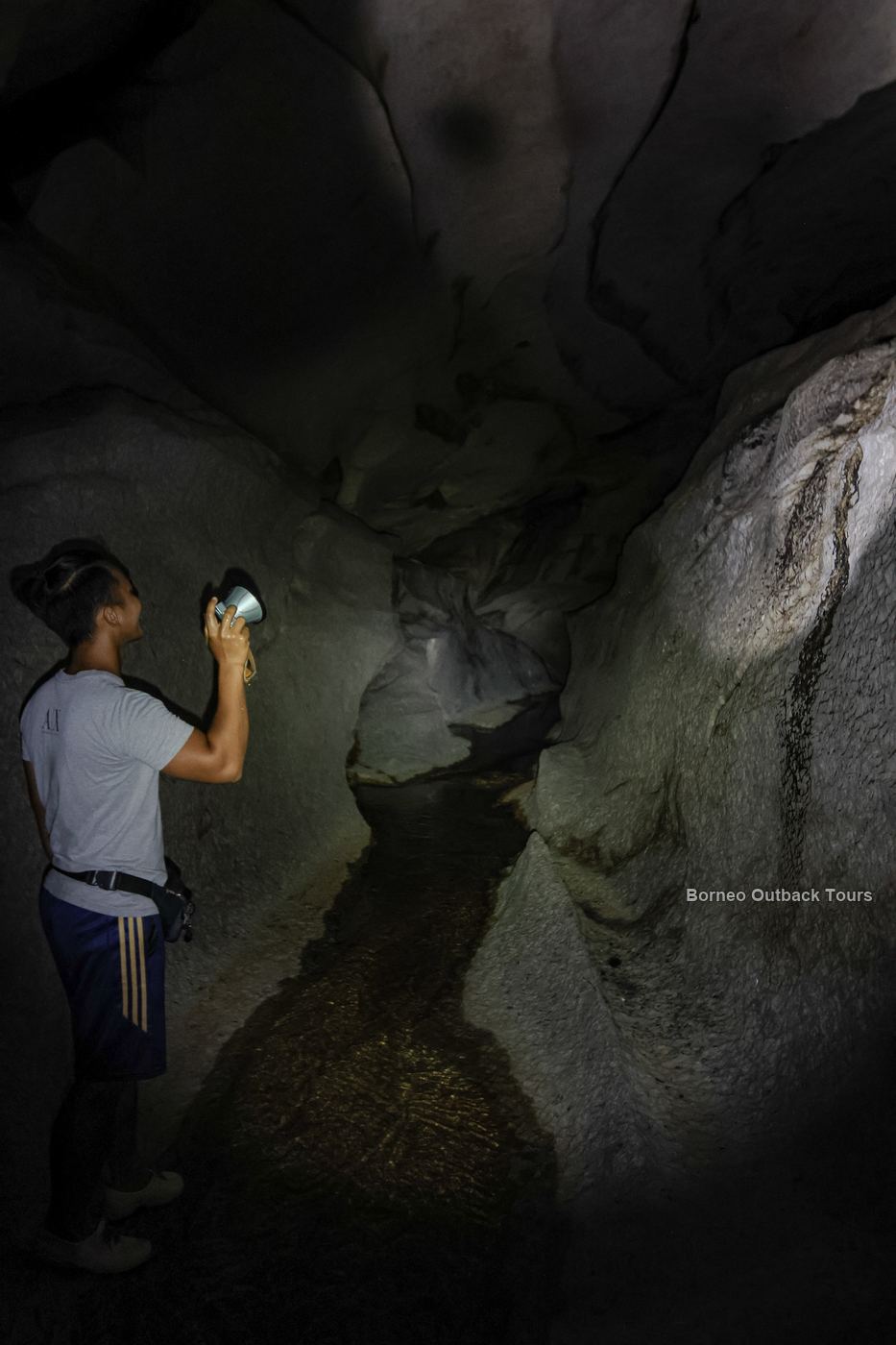
- Visit the sacred Pungiton Cave, a burial and ritual site of the old religion
- Travel the same jungle rivers by longboat that raiding parties once used
- Try the blowpipe, the silent weapon of the Murut hunter
These experiences run through Orou Sapulot tour packages, founded and operated by the Murut community itself. The stories come from the families who lived them, which makes the history feel very close.
Headhunters and Modern Sabah
Sabah treats its headhunting past with a mix of honesty and pride. It is not hidden, and it is not sensationalised. For the Murut, the era stands for courage, independence and mastery of the forest, values that still define the community. Travellers who come expecting a museum-piece culture instead find a living one: the same longhouses host modern families, and the same forest that hid war parties now welcomes guests.
Headhunting in Borneo's Wider History
The Murut were not alone. Iban war parties made the rivers of Sarawak feared shipping lanes; Kadazan-Dusun oral histories carry their own raid stories; and colonial Sarawak's White Rajahs built a state partly around suppressing, and occasionally exploiting, the practice. What set Sabah's interior apart was terrain. The hills of Murut country resisted every outside power longer than anywhere else in North Borneo, and the British Chartered Company's expeditions into these valleys read like accounts of a land apart. The 1915 Rundum uprising, when Murut communities rose against Company taxation and land policy, remains a touchstone of Murut identity today: the same independence that once took heads later stood against an empire.
Museums in Kota Kinabalu and Sarawak display skull racks and war regalia, but context is everything: these are memorials of a worldview, not trophies of savagery. The respectful way to engage with this history is the way the Murut themselves tell it, in their own country, with pride in the courage and honesty about the change.
Frequently Asked Questions
Are there still headhunters in Borneo?
No. Headhunting ended across Borneo by the early to mid 1900s. The descendants of headhunting communities, including the Murut of Sabah, live entirely modern lives while preserving their cultural heritage.
Which tribe were Sabah's headhunters?
The Murut of Sabah's interior were the state's best-known headhunters and the last group in Sabah to give up the practice.
Can I visit a former headhunter village?
Yes. Murut villages in the Sapulot region welcome visitors through community-run tours, with longhouse stays, cultural performances and storytelling by elders.
The Bottom Line
The headhunters of Borneo were not monsters; they were people defending their world by the rules of their time. Meeting their descendants in the hills of Sapulot, sharing rice wine under a longhouse roof, is one of the most powerful ways to understand how far that world has travelled, and how much of its spirit remains.
Cultural tours of the Murut heartland are operated by Borneo Outback Tours, founded by the original Murut community of the Sapulot region.
Related Reading
- Who Are the Murut People? | Borneo Outback Tours
- Murut Culture: Traditions of Sabah's Hill People
- Tribes of Borneo: Dayak, Iban, Murut and More
Ready to Experience the Real Borneo?
Small-group jungle, cave and cultural journeys run year-round from Kota Kinabalu, guided by the Murut community of Sapulot.
View Tour Packages WhatsApp Us

.svg)