
Jungle Trekking in Sabah: Everything You Need to Know
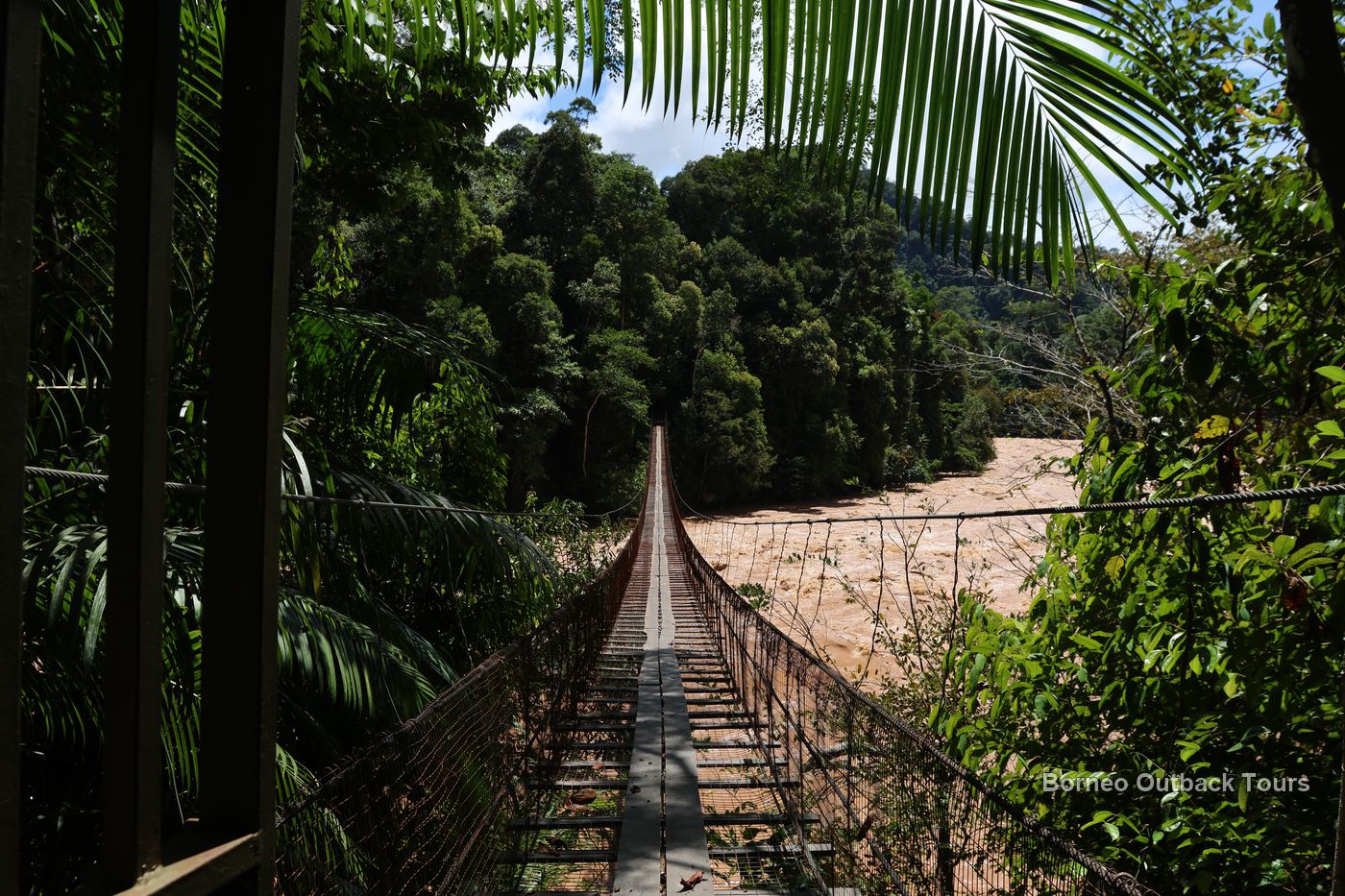
Jungle trekking in Sabah is walking through the oldest forest ecosystem on Earth: 130-million-year-old rainforest, older than the Amazon, layered with life from leaf litter to canopy. It is also hot, humid, occasionally leech-adorned and absolutely worth every step. This is the complete practical guide: where to trek, how hard it really is, what to pack, and how to handle the jungle's famous minor irritations like a veteran.
Where to Trek in Sabah
The Accessible Classics
Kinabalu Park's mossy trails, Sepilok's Rainforest Discovery Centre and Danum Valley's lodge trails offer marked routes, ranger support and superb wildlife, ideal first jungle miles.
The Wild Interior: Sapulot
For trekking as expedition, the Sapulot region is Sabah's frontier: primary forest never logged, trails known only to Murut guides, and destinations that earn the walk: the Batu Punggul pinnacle, the sacred Pungiton Cave, and waterfalls with nobody else at them. Treks here combine with longboat river travel and longhouse stays on multi-day packages, the full old-Borneo experience.
How Hard Is Jungle Trekking, Really?
The honest answer: the terrain is usually moderate, the climate is the challenge. Expect 90 percent humidity, mud after rain, roots and river crossings rather than groomed paths. Distances that sound trivial, 5 or 6 km, feel like double in the heat. The formula that works: slow steady pace, early starts, frequent water, and accepting that you will be soaked in sweat within twenty minutes and fine with it by thirty.
What to Pack for the Jungle
- Footwear: the local secret is the "kampung Adidas", rubber studded shoes costing a few ringgit in any interior town: unbeatable grip in mud, dry in minutes. Trail shoes work; heavy leather boots suffer
- Leech socks: knee-high fabric barriers that turn leeches from drama into shrug. Cheap, light, essential in wet months
- Clothing: quick-dry long sleeves and trousers beat shorts: sun, scratches and insects all argue for coverage. Bring one dry set sealed for camp, sacred and untouchable
- Dry bags: for everything electronic; the jungle finds moisture you didn't know you carried
- Water and purification: 2 litres capacity minimum; guides know refill streams
- Small kit: insect repellent (deet or picaridin), sunscreen, blister plasters, antihistamine, headlamp, whistle
Leeches, Insects and Other Overrated Fears
Leeches are the jungle's most famous residents and its most harmless: painless, disease-free hitchhikers dealt with by a flick or a dab of salt. Leech socks reduce encounters to nearly zero. Mosquitoes concentrate at dawn and dusk, repellent and sleeves handle them. Snakes overwhelmingly flee first. The genuinely important rules are simpler: stay with your guide, mind your footing on wet roots, and respect rivers after heavy rain.
Trekking With Murut Guides
In the interior, the guide is the experience. Murut guides in Sapulot grew up in this forest: they read pig and deer sign in mud you would walk past, know which vine holds drinking water, which leaf staunches a cut, and where the fruiting tree is that the hornbills visited yesterday. A trek with them is a masterclass in seeing; the same trail without them is just green walls. This knowledge is also why access to Sapulot's forest runs through the community that owns and protects it.
Best Season for Trekking
March to October gives the driest trails and settled rivers; see our best time to visit Sabah guide. Wet-season trekking is possible and gloriously green, just muddier, leechier and more flexible in its plans.
What You'll Actually See: A Field Guide to the Understorey
Manage expectations upward, but sideways. First-time jungle trekkers scan for orangutans and are disappointed; experienced ones watch the small theatre and are enthralled. The reliable cast: hornbills heard before seen, their wingbeats like distant helicopters; gibbing calls at dawn that carry kilometres; pig-tailed macaque troops crossing with parental escort; monitor lizards crashing off sunning logs; and the invertebrate headliners, birdwing butterflies, lantern bugs, stick insects doing their best twig, that make Borneo a macro photographer's paradise. Plants steal scenes too: strangler figs engulfing host trees, rattan waiting to hook the unwary (locals call it "wait-a-while"), and if fortune smiles, a rafflesia in bloom along the Crocker foothills.
The interior adds the signs of bigger neighbours: mud wallows, civet prints, sun bear claw marks scoring a bee tree, stories your Murut guide reads aloud from ground you would have called empty. Bring binoculars, walk the first hour after dawn in silence, and count the trek by encounters rather than kilometres; the forest pays attention back in exact proportion to the attention paid.
Frequently Asked Questions
Do I need to be fit to trek in Sabah?
Moderate fitness suffices for most routes: if you can walk hilly ground for a few hours, you can trek here. Heat management matters more than athleticism.
Are leeches dangerous in Borneo?
No: they carry no disease and take a trivial amount of blood. Leech socks and a flick of the finger are the entire defence.
Can I trek Sapulot independently?
No: the forest is community land with unmarked trails; access is exclusively with Murut guides through Orou Sapulot's packages, which is precisely what keeps it pristine.
The Bottom Line
Jungle trekking in Sabah asks modest fitness, sensible packing and a tolerance for honest sweat, and repays it with the oldest forest on Earth. Get the footwear right, pull on the leech socks, follow a Murut guide up a trail with no signposts, and you will meet the Borneo that made the island's name.
Guided jungle treks in the Sapulot interior are operated by Borneo Outback Tours, founded by the Murut community that has walked these forests for generations.
Related Reading
- Batu Punggul: Complete Guide to Sabah's Limestone Pinnacle
- Waterfalls in Sabah: Kabulongou and Hidden Borneo Falls
- Pungiton Cave: Sabah's Sacred Hidden Cave System
Ready to Experience the Real Borneo?
Small-group jungle, cave and cultural journeys run year-round from Kota Kinabalu, guided by the Murut community of Sapulot.
View Tour Packages WhatsApp Us

.svg)