
Pungiton Cave: Inside Sabah's Sacred Underground
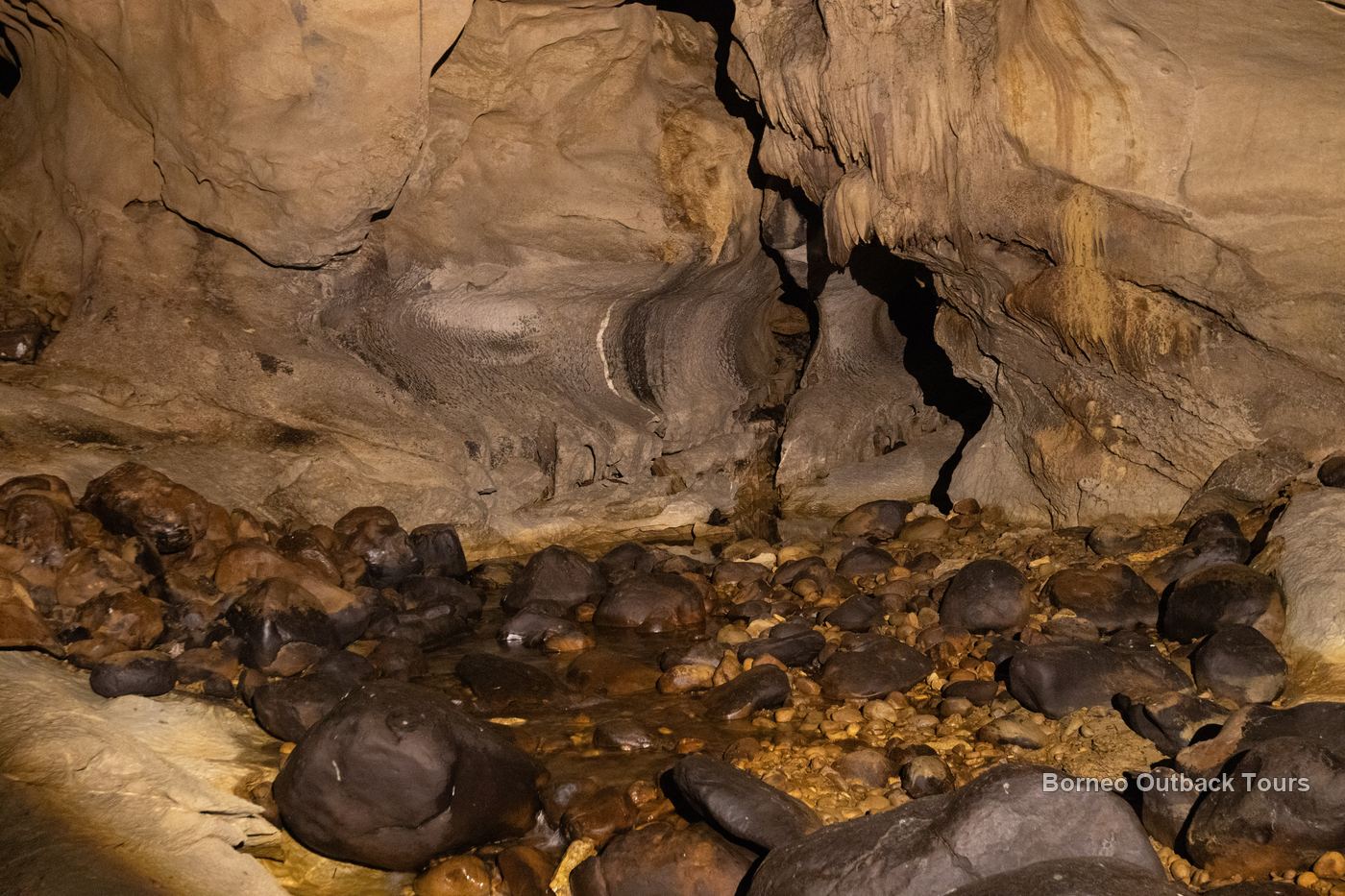
Deep in the rainforest of Sabah's interior, a river slips beneath a limestone hill and the Murut people's old world begins. Pungiton Cave is not on the tourist trail. It has no boardwalks, no coloured floodlights, no ticket office. What it has is a multi-level cave system alive with wildlife, a history as a sacred Murut burial and ritual site, and a jungle camp at its doorstep. This is the complete guide to visiting one of Sabah's least-known natural wonders.
What Is Pungiton Cave?
Pungiton is a limestone cave system in the Sapulot region of southwestern Sabah, part of the same karst landscape that produces the region's pinnacles and gorges, including nearby Batu Punggul. The system runs on several levels: river passages below, dry chambers above, connected by climbs and squeezes that make exploration a genuine caving experience rather than a stroll.
For the Murut, Pungiton is sacred ground. The caves served as burial sites and places of ritual, and entering them was, and remains, an act governed by respect. Visits today begin with a moment of acknowledgment led by Murut guides, a living link to the cave's older meaning.
Inside the Cave
Expect a wild cave in the true sense:
- Formations: flowstones, columns and curtains built drip by drip over hundreds of thousands of years
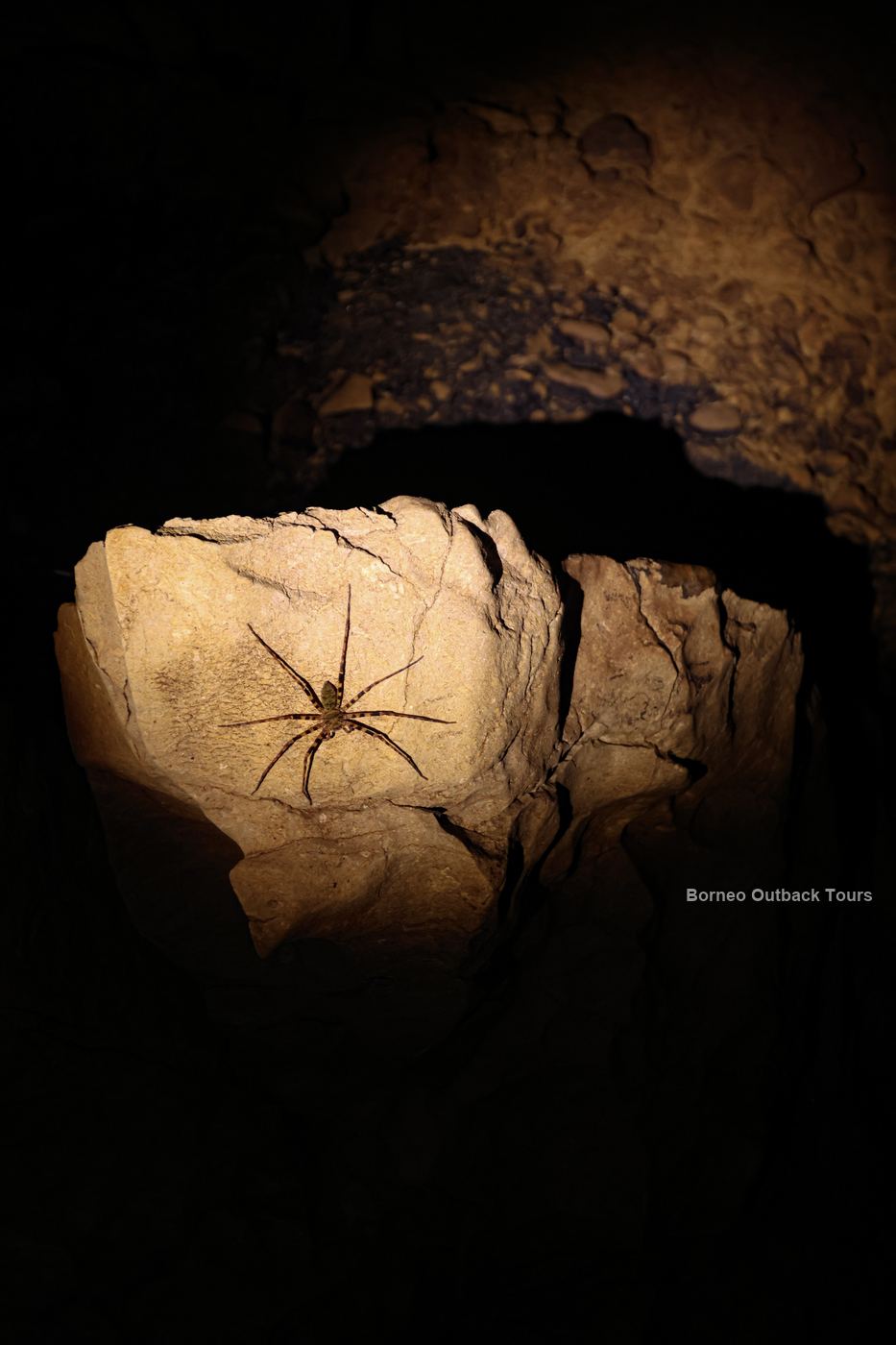
- Wildlife: swiftlets whirring to nests, bats in the high chambers, cave crickets, whip spiders and the occasional racer snake that hunts them, a complete ecosystem in the dark
- River passages: sections where you wade the underground stream, headlamp light dancing on the water
- The dark moment: every guide does it: lamps off, total blackness, the cave breathing around you. Unforgettable
Pungiton Camp: Sleeping at the Cave Mouth
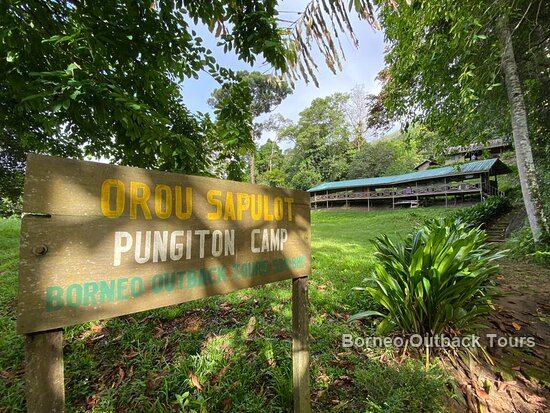
A short walk from the entrance, Pungiton Camp offers simple jungle accommodation: raised sleeping platforms, river water, forest sounds. Overnighting here is half the experience: dusk brings the changeover shift, swiftlets streaming home as bats pour out to hunt, one of the great small spectacles of Borneo.
How to Visit Pungiton Cave
Pungiton sits on Murut community land with no independent access; visits run through Orou Sapulot tour packages from Kota Kinabalu. The journey is part of the adventure: road to Keningau and Sapulot, then longboat upriver, then forest trail to the cave. Most itineraries pair Pungiton with Batu Punggul, the waterfalls and a Murut longhouse night over 3 to 5 days.
What to Bring
- Headlamp (operators provide, but bring your own if you have it) and spare batteries
- Shoes with grip that can get wet: rubber "kampung Adidas" are ideal and cheap in Keningau
- Quick-dry clothing you don't mind muddying
- Dry bag for camera and phone
- Light gloves for scrambles, if you like
Is It Difficult?
Moderate. No technical caving skill is needed, but expect scrambling, ducking, river wading and one or two tight sections. Reasonable fitness and a calm head in enclosed spaces are enough; guides adjust routes to the group. Children from around 10 up, comfortable with the dark, generally love it.
How Borneo's Caves Were Born
Pungiton's passages began as sea floor. The limestone of Sabah's interior formed from coral reefs and shell beds laid down millions of years ago, compressed to stone, then heaved above sea level as the island buckled upward. Rainwater, mildly acidic from the atmosphere and the forest's breath, has been dissolving pathways through it ever since: sinking streams found weaknesses, weaknesses became passages, passages grew into chambers, and every dripping formation inside is the slow-motion plumbing of that process, still running today. The same karst chemistry built Batu Punggul nearby, a cave system's roof long since dissolved away to leave the tower standing alone.
This geology is also ecology. Caves concentrate life around energy imports: swiftlet colonies and bat roosts carry the forest's productivity inside as guano, feeding the invertebrate food web, the crickets, beetles and whip spiders, that in turn feeds snakes and specialist predators. A single torch beam at Pungiton crosses the whole economy. It is a reminder that "empty" darkness is anything but, and a good reason to follow the guides' touch-nothing rule: systems this old and this slow do not repair on human timescales.
Frequently Asked Questions
Why is Pungiton Cave sacred?
It served as a Murut burial and ritual site. Guides open visits with a gesture of respect, and visitors are asked to follow their lead inside.
Can I visit Pungiton independently?
No. The cave lies on community land deep in the interior, reached by river; access is exclusively through community-run tours with Murut guides.
How does Pungiton compare to Mulu or Gomantong?
Smaller than Mulu's giants, wilder than both. You trade boardwalks and crowds for headlamps, river wading and having the cave entirely to your group.
The Bottom Line
Pungiton Cave offers what the famous show caves no longer can: darkness that belongs to bats and swiftlets, passages without a single handrail, and the quiet weight of a place still sacred to its people. Combined with a night at the jungle camp, it is one of the most atmospheric experiences in Borneo, hidden in plain sight in the hills of Sapulot.
Pungiton Cave expeditions are operated by Borneo Outback Tours, founded by the Murut community whose ancestors rest there.
Related Reading
- Batu Punggul: Complete Guide to Sabah's Limestone Pinnacle
- Batu Punggul vs Mulu Pinnacles: Borneo Karst Compared
- Jungle Trekking in Sabah: The Complete Guide
Ready to Experience the Real Borneo?
Small-group jungle, cave and cultural journeys run year-round from Kota Kinabalu, guided by the Murut community of Sapulot.
View Tour Packages WhatsApp Us

.svg)