
Sabah Off the Beaten Path: Where the Real Borneo Begins
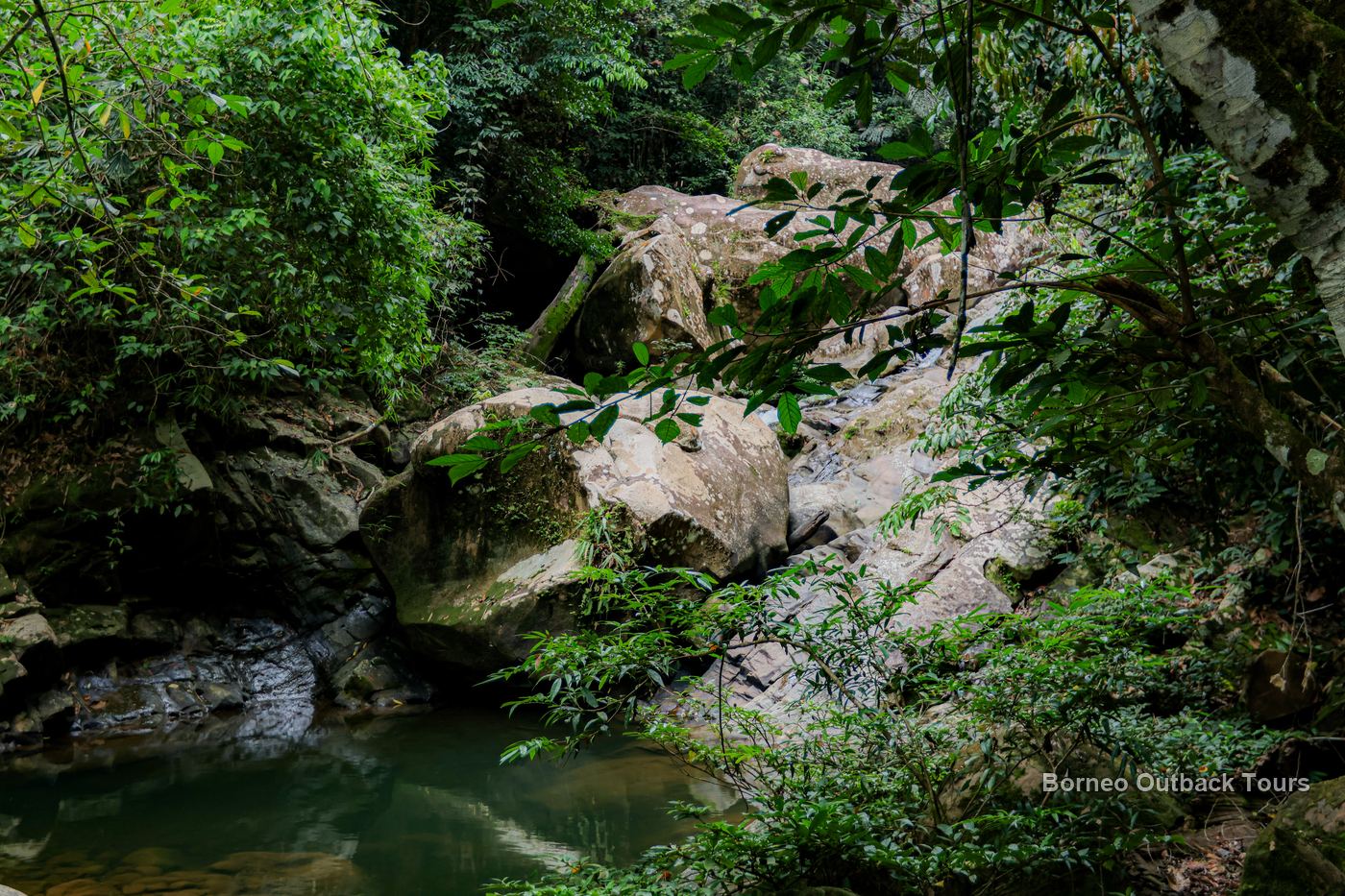
Sabah's headline sights, Kinabalu, Sipadan, Sepilok, deserve their fame, and their crowds prove it. But the Sabah that changes travellers is the one beyond the brochure: river villages without road access, forests that have never met a chainsaw, festivals where you are the only visitor, and a pace set by rivers rather than schedules. This is the guide to Sabah off the beaten path, and to the interior region that is the deepest "off" the state offers.
What "Off the Beaten Path" Means in Sabah
Sabah's tourism runs along a well-worn circuit: KK, Kinabalu, Sepilok, Kinabatangan, Semporna. Step off it and infrastructure thins fast, which is exactly the point: what replaces it is community. In the villages of the interior and the smaller east coast islands, tourism, where it exists at all, is hosted by the people who live there, on their terms. Fewer signs, better welcomes.
The Deep Interior: Sapulot and Murut Country
The definitive off-track Sabah experience. South of Keningau, roads shrink, then end at rivers, and the Sapulot region begins: unlogged primary rainforest, longboat highways, and the homeland of the Murut people. Here you can:
- Climb the sacred limestone pinnacle of Batu Punggul with no one else on the rock
- Explore the burial caves of Pungiton by headlamp
- Run jungle rapids by longboat toward the Kalimantan border
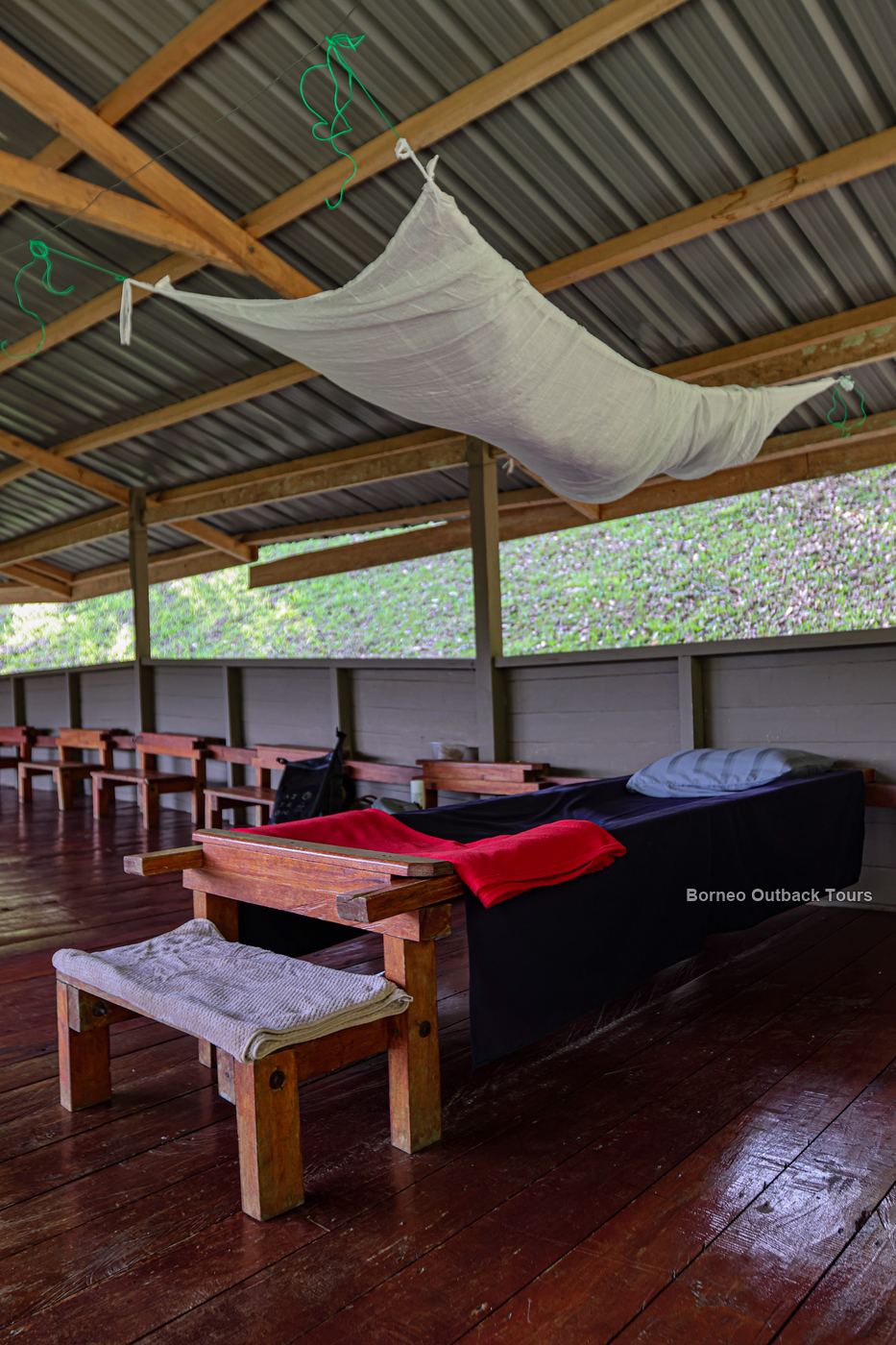
- Sleep at riverside eco-camps and a longhouse with a sprung Lansaran dance floor
- Share tapai rice wine with hosts whose families founded the region's community tourism
Access is community-only, through Murut-founded packages from Kota Kinabalu: 2 to 5 days, all-inclusive, and utterly unlike the coastal circuit.
Other Corners Worth the Detour
Tambunan and the Crocker Hinterland
Rice-terrace valleys, bamboo culture, the Rafflesia reserve on the range road, and Kadazan-Dusun village life an easy half-day from KK, yet somehow skipped by nearly everyone.
The Northern Tip: Kudat and Tip of Borneo
Rungus longhouses, gong-making villages, empty golden beaches and the windswept headland where two seas meet. Weekdays here feel like a private coastline.
Tenom and the Padas Valley
Sabah's agricultural heartland: coffee farms, the agricultural park's gardens, and the railway through the Padas Gorge, the state's most atmospheric train ride.
Quieter Islands
Beyond Semporna's famous names, islands like Mantanani (seasonal) and the Kudat coast offer village stays and reefs without the speedboat queues.
Doing It Right
- Trade checklists for depth: one region properly beats four glimpsed; the interior rewards 3 to 5 days
- Go community-run: your spending lands where you stay, and doors open that money alone cannot
- Carry cash, patience and flexibility: ATMs stop at Keningau; rivers set schedules
- Learn three words of greeting: in any village, effort is currency
- Season smart: March to October keeps rivers and trails cooperative, see when to visit Sabah
The Economics of Going Where Others Don't
Off-track Sabah runs on a different economic logic than the coastal circuit, and understanding it makes you a better traveller here. On the main trail, your spending flows through hotels, agencies and payrolls before a fraction reaches the place itself. In community-run territory the pipeline shortens to metres: the boatman is the boat's owner, dinner's vegetables came from the cook's own plot, the guiding fee lands in the village that maintains the trail. Studies of community-based tourism consistently show multiples more of each ringgit staying local, but you don't need the literature; you can watch it happen at arm's length over three days in Sapulot.
This is also why the "empty" interior stays wild. Village-owned tourism gives standing rainforest an income that competes with the alternatives, logging concessions and plantation conversion, and communities that host guests in primary forest have a bankable reason to keep it primary. The traveller's role is simple: book community-run, pay fair prices without the reflexive haggle, buy the crafts, and understand that the premium over mass-market rates is not markup, it is the entire point, the mechanism by which your holiday underwrites the forest it happens in.
Frequently Asked Questions
Is off-the-beaten-path Sabah safe?
Yes: the interior and west coast hinterland are welcoming and low-risk with licensed local operators. Standard advisories apply only to specific remote eastern waters.
Do I need a tour for the interior?
For Sapulot, yes: it is community land with river-only access, and the Murut-run packages are the sole, and best, way in.
Can I combine hidden Sabah with the classics?
Perfectly: a common pattern is Kinabalu and Kinabatangan for the icons, then Sapulot for the wilderness. See our Borneo itinerary guide.
The Bottom Line
Off the beaten path in Sabah is not a hardship posting; it is the upgrade. The crowds thin, the welcomes deepen, and the Borneo of longhouses, rivers and untouched forest turns out to be very much alive, waiting up the rivers of Sapulot for the travellers willing to go one town past the end of the road.
Sabah's deepest off-track journeys are operated by Borneo Outback Tours, founded by the Murut community of Sapulot.
Related Reading
- Sapulot, Sabah: Guide to Borneo's Hidden Interior
- Borneo Itinerary: 7 to 14 Days Done Right
- What is Community Based Tourism? | Borneo Outback Tours
Ready to Experience the Real Borneo?
Small-group jungle, cave and cultural journeys run year-round from Kota Kinabalu, guided by the Murut community of Sapulot.
View Tour Packages WhatsApp Us

.svg)