The Murut People: One Tribe Across Sabah, Sarawak, Brunei and Kalimantan
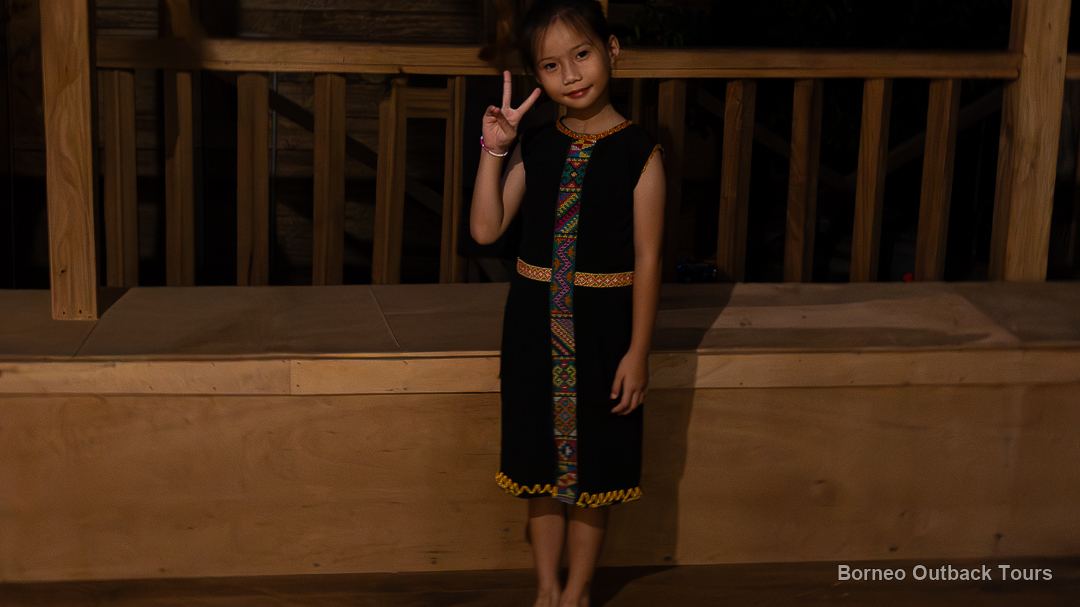
The Murut people are often described as a Sabah tribe, and Sabah's interior is certainly their heartland. But Murut communities also live across the border in Sarawak, in Brunei, and in Indonesian Kalimantan. The borders are recent; the people are not. This guide untangles where the Murut live, how the communities differ, and why one name covers people in four territories.
One People, Four Borders
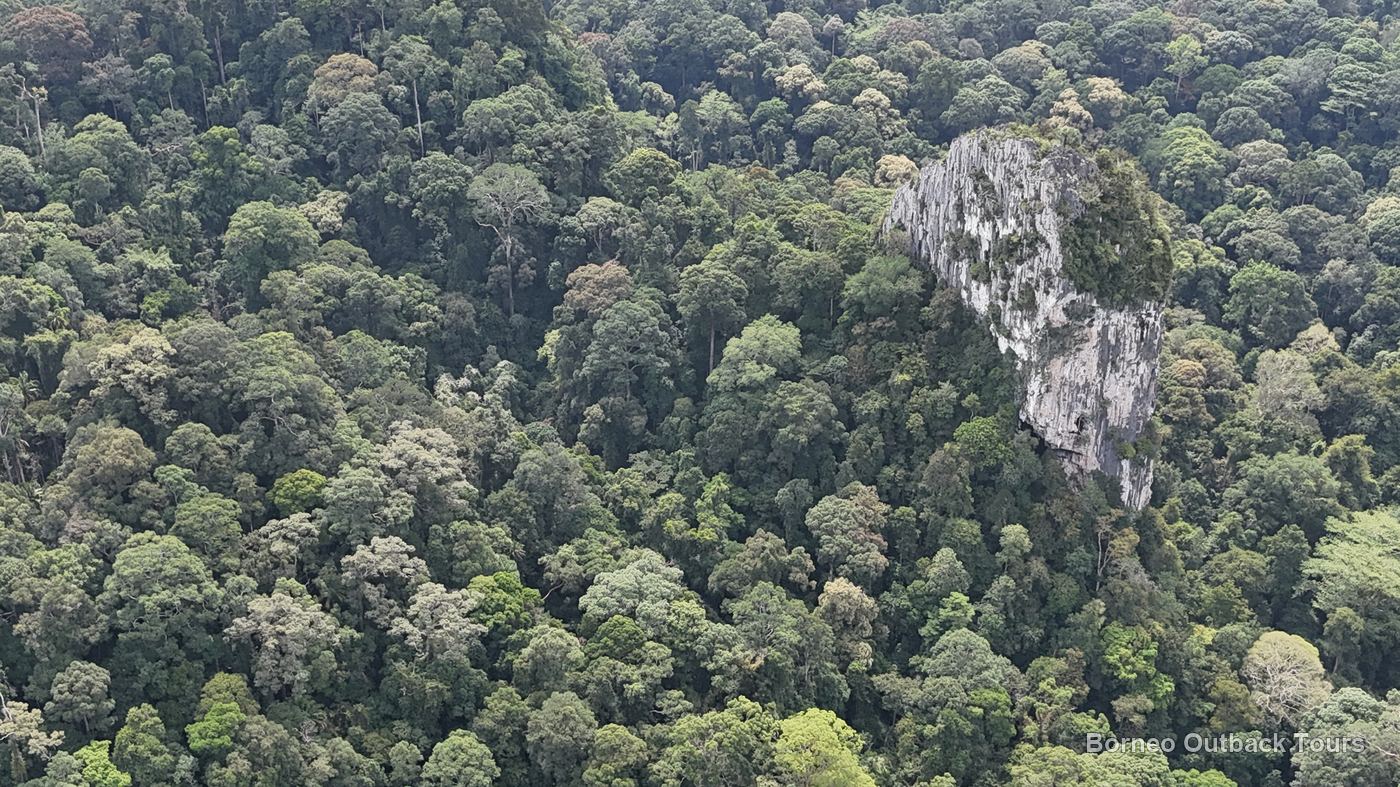
The Murut homeland is the rugged hill country where Sabah, Sarawak, Brunei and Kalimantan meet. Long before any of those names existed, Murutic-speaking communities farmed and hunted across these highlands, moving along rivers rather than roads. When colonial powers drew lines through the forest in the 1800s, they cut straight through Murut territory, leaving related communities on different sides of new borders.
The Murut in Sabah
Sabah holds the largest Murut population, roughly 100,000 people, concentrated in the southwestern interior districts of Keningau, Tenom, Nabawan and Pensiangan. The Tagol Murut of the Sapulot and Pensiangan area are considered the cultural core: the communities where the Lansaran dance, tapai ceremonies and longhouse traditions remain strongest. Sabah's Murut were historically famous as the state's last headhunters and its finest jungle trackers.
The Murut in Sarawak: A Naming Twist
Here it gets confusing. The people historically called "Murut" in Sarawak, in the Lawas and Trusan valleys, are today known as the Lun Bawang. They are related to Sabah's Murut but linguistically and culturally distinct. So a "Sarawak Murut" in an older book usually means Lun Bawang, while smaller communities of Sabah-style Murut also live along Sarawak's northeastern border. If you meet the term in colonial-era writing, check which group it means.
The Murut in Brunei
Brunei's Murut community, also closely tied to the Lun Bawang, lives mainly in the Temburong district, the sultanate's forested eastern enclave. They are one of Brunei's seven officially recognised indigenous groups. Temburong's protected rainforest gives Brunei's Murut a homeland landscape very like Sabah's interior, though the community is small, numbering in the low thousands.
The Murut in Kalimantan
South of the border in Indonesian North Kalimantan, related communities are generally grouped under the Dayak umbrella, with names like Tahol and Tidung marking the closest relatives of Sabah's Murut. The border rivers around Sapulot were historical highways between these communities, and family ties still cross the line today. From Sapulot itself you can travel by longboat toward the Kalimantan border, the same route relatives have used for generations.
Same Roots, Different Paths
Across all four territories the shared markers are unmistakable: Murutic languages, longhouse tradition, rice wine culture, and a history of fierce independence in the hills. The differences come from the last century: religion (mostly Christianity in Sabah and Sarawak, with Islam more present in Brunei), national language, and how much traditional land each community kept. Sabah's Murut, particularly around Sapulot, retain the largest intact homeland, which is why cultural tourism centres there.
Where to Meet the Murut
For travellers, Sabah is the practical answer. The Sapulot region offers longhouse stays, cultural ceremonies and jungle travel run by the Murut community itself through community-founded tour packages. It is the one place where the full sweep of Murut culture, from blowpipes to the Lansaran, can be experienced in its original landscape.
A Borderland History in Three Acts
How did one people end up under four flags? Act one: for centuries the highlands were simply Murut country, organised by river valley and kinship, trading forest produce downstream for salt, iron and jars. Act two: the 1800s carve-up. Brunei's sultans ceded rights they loosely held to the British North Borneo Company (Sabah) and the Brooke Rajahs (Sarawak), while the Dutch claimed the south, lines drawn in distant offices through forest nobody surveying them had walked. Act three: the twentieth century hardened paper borders into real ones, through colonial administration, the Konfrontasi conflict of the 1960s (when Murut trackers served on both sides' terrain but overwhelmingly with Malaysia), and modern citizenship.
Yet the highlands remember being one place. Cross-border kinship visits continue, border markets trade as they always have, and a Tagol Murut speaker from Sapulot can still find mutually intelligible conversation deep into Kalimantan. For visitors, standing on a river that runs toward the border, with a guide whose relatives live across it, makes the abstraction vivid: the border crossed the Murut, never the other way around.
Frequently Asked Questions
Are the Murut from Sabah or Sarawak?
Both, but the largest population and cultural heartland are in Sabah's interior. In Sarawak, the people once called Murut are now generally known as Lun Bawang.
Are there Murut in Brunei?
Yes. A small Murut community, related to the Lun Bawang, lives mainly in Brunei's Temburong district and is one of Brunei's recognised indigenous groups.
Are Murut people Dayak?
In Indonesia, related communities fall under the broad Dayak umbrella. In Malaysia and Brunei, Murut is treated as its own ethnic identity.
The Bottom Line
The Murut are a borderland people whose homeland predates every line on the modern map. Sabah, Sarawak, Brunei and Kalimantan each hold a piece of the story, but the heart of it beats in the hills of Sabah's interior, where the name "people of the hills" still describes exactly who, and where, the Murut are.
Visits to the Murut heartland are operated by Borneo Outback Tours, founded by the Murut community of Sapulot, Sabah.
Related Reading
- Who Are the Murut People? | Borneo Outback Tours
- Murut Language: Meaning, Words and Where It's Spoken
- Tribes of Borneo: Dayak, Iban, Murut and More
Ready to Experience the Real Borneo?
Small-group jungle, cave and cultural journeys run year-round from Kota Kinabalu, guided by the Murut community of Sapulot.
View Tour Packages WhatsApp Us

.svg)